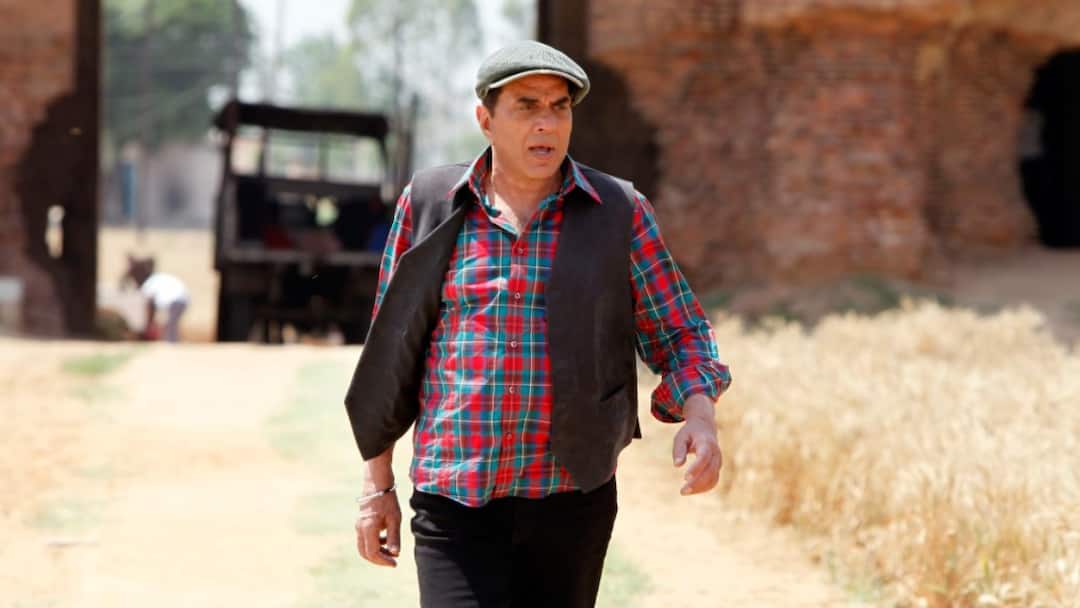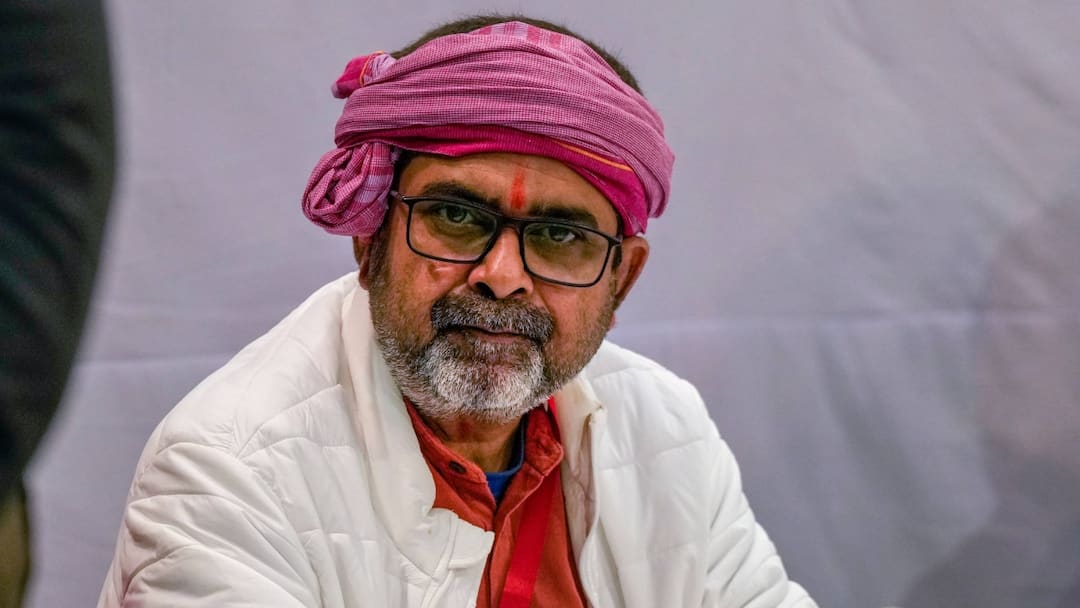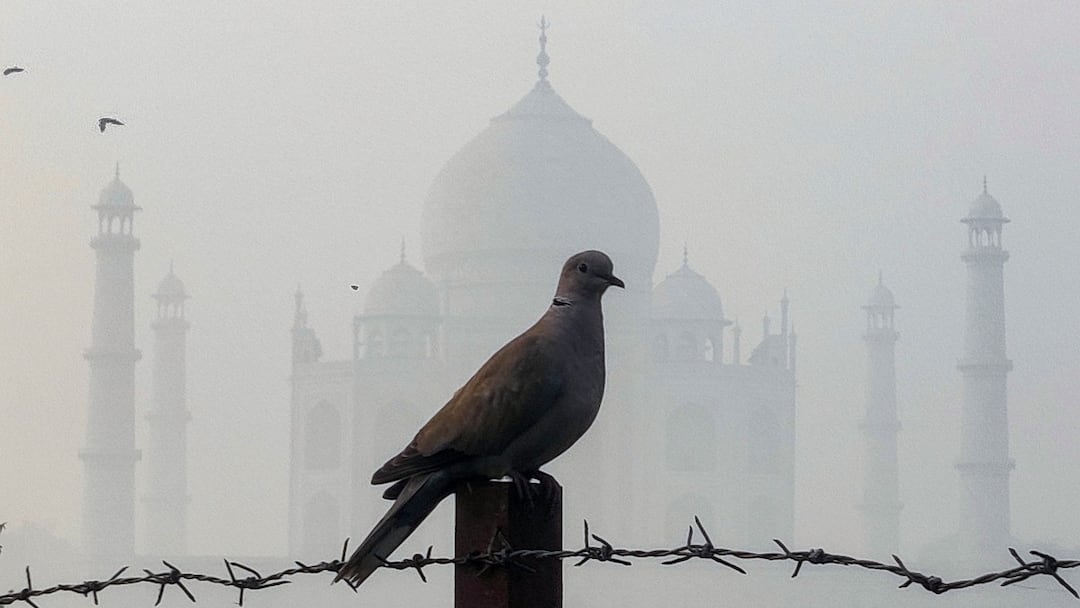
BJP MP Rajkumar Chahar on Wednesday raised sharp concerns in the Lok Sabha over the stringent environmental restrictions enforced around the Taj Mahal, arguing that the monument’s global fame is inadvertently limiting Agra’s development. Speaking on the third day of the winter session, Chahar said the city’s most celebrated landmark has, over time, “become a curse”.
“In Agra, there is the Taj Mahal, which is very beautiful. But its beauty has become a curse for the people of Agra,” he remarked, calling attention to the dilemma of preserving heritage while fostering urban growth.
TTZ and NGT Regulations ‘Stifling’ Jobs and Industry, Says Chahar
Chahar pointed to the Taj Trapezium Zone (TTZ) regulations and National Green Tribunal (NGT) directives, explaining that these strict environmental norms restrict the establishment of industries within the region. According to him, the restrictions have slowed job creation and left many young people struggling to find work.
“For the preservation of Taj’s beauty, there are TTZ and NGT. Because of these, no industries or factories are permitted there, and the youth of Agra remains unemployed,” he said.
#WATCH | During the Lok Sabha’s winter session, BJP MP Rajkumar Chahar highlighted a pressing issue affecting Agra’s residents. He stated that the city’s iconic Taj Mahal, while a global attraction, has become a “curse” due to strict regulations under the Taj Trapezium Zone (TTZ)… pic.twitter.com/cInUQJuzZM
— ANI (@ANI) December 3, 2025
The TTZ spans 10,400 square kilometres across Agra, Firozabad, Mathura, Hathras, Etah and Rajasthan’s Bharatpur district. The Supreme Court’s December 1996 ruling also banned the use of coal and coke in industries within this protected zone as part of its pollution-control mandate.
‘Agra’s Location Ideal for Growth,’ MP Calls for IT Hub
Highlighting Agra’s strong connectivity, including expressways linking it to Delhi and Lucknow, the Fatehpur Sikri MP emphasised that the city is well-positioned for economic expansion if provided the right opportunities.
Chahar urged the Centre to establish an IT hub in Agra as a way forward, arguing that such a project could generate employment while ensuring the Taj Mahal remains preserved.
“The only solution is the setting up of an IT hub in Agra. I urge the Centre to establish an IT hub to create employment and benefit the people of the city,” he said.
Lok Sabha Passes Central Excise (Amendment) Bill, 2025
In other developments during the session, the Lok Sabha passed the Central Excise (Amendment) Bill, 2025. The legislation seeks to raise excise duty on tobacco products and their manufacturing processes.
Finance Minister Nirmala Sitharaman, who introduced the Bill, clarified that the amendment does not introduce a new tax nor does it function as a cess. She stressed that excise duty is an existing levy that predates the Goods and Services Tax (GST).
“Many members here made the comment that this is a cess. Excise is not a cess. Excise duty existed before GST,” Sitharaman said, adding that the compensation cess is being redirected back to the Centre to be collected as excise duty. She also noted that revenue generated through this duty will return to the “divisible pool” and be distributed among states “at the 41% allocated.”
Doonited Affiliated: Syndicate News Hunt
This report has been published as part of an auto-generated syndicated wire feed. Except for the headline, the content has not been modified or edited by Doonited