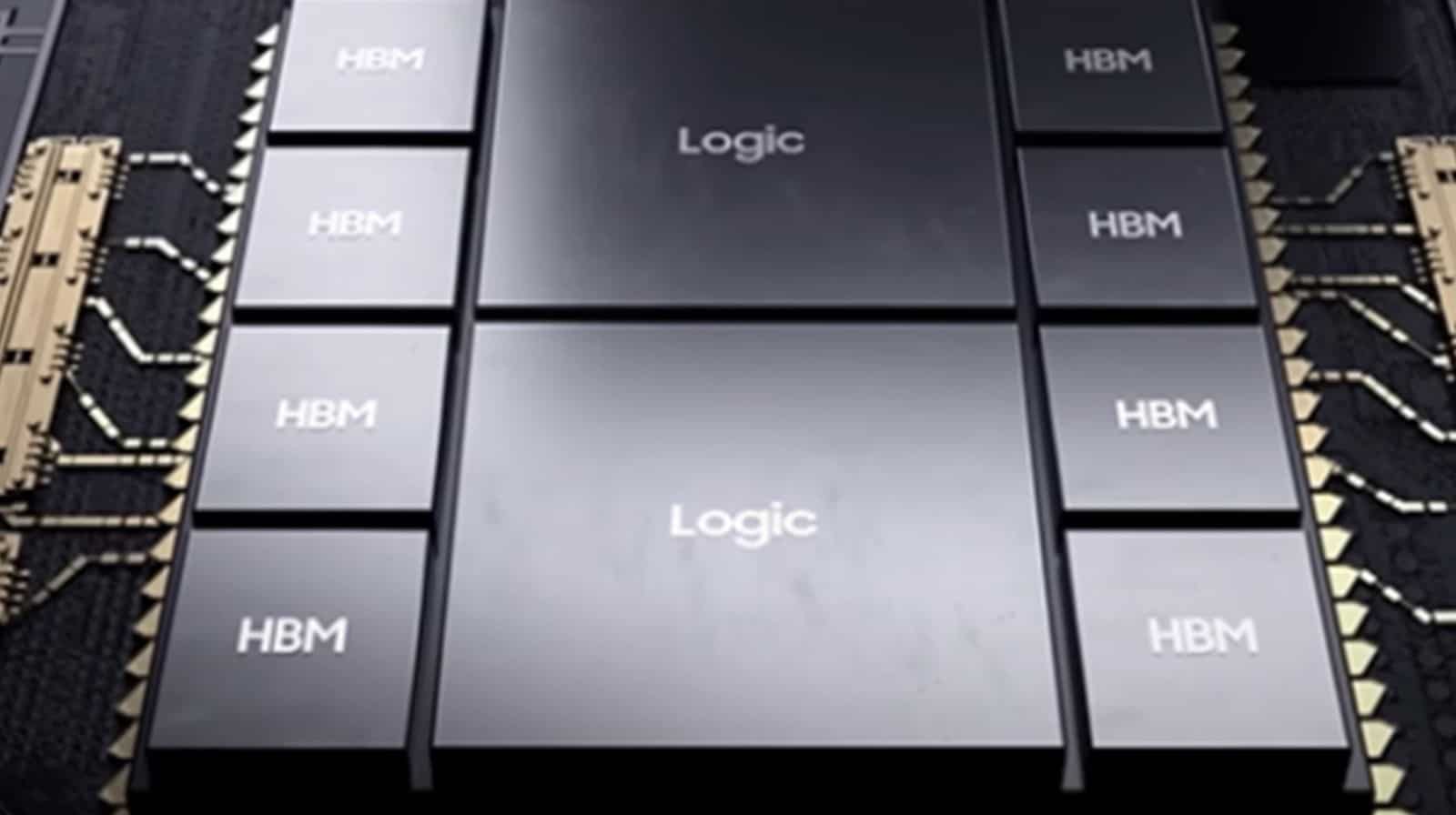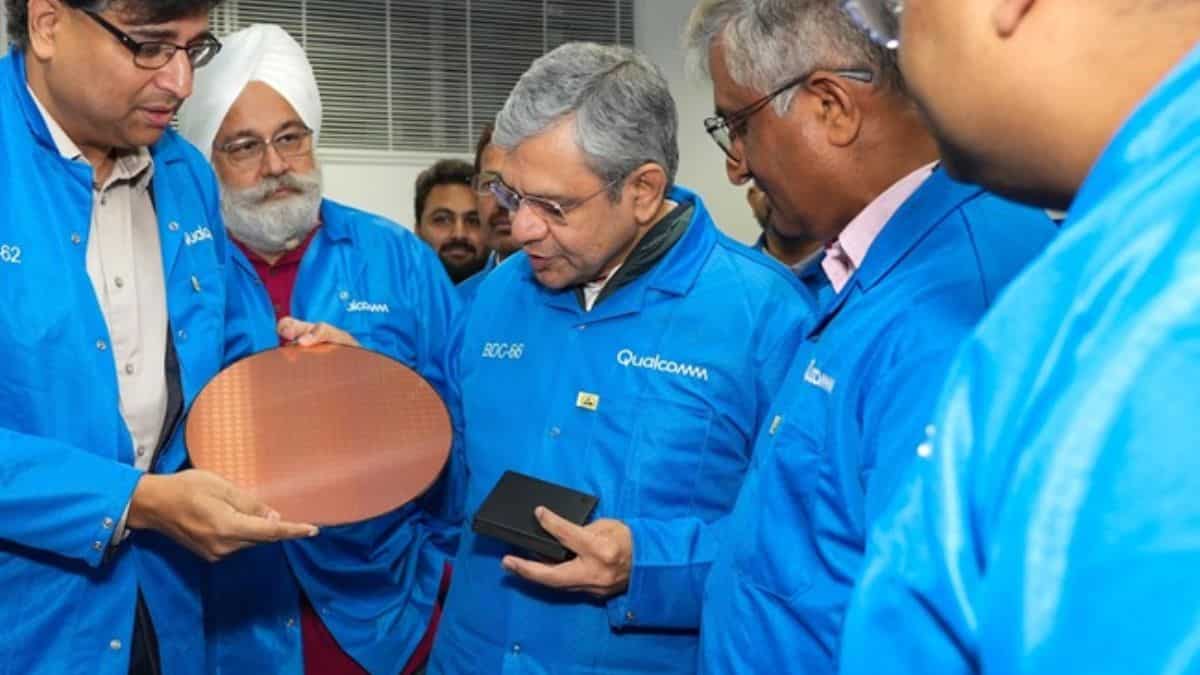
Union Minister for Railways, Information & Broadcasting, and Electronics & Information Technology, Ashwini Vaishnaw, launched Qualcomm’s 2-nanometre semiconductor chip in Bengaluru, marking a significant milestone in advanced semiconductor design and underlining India’s growing role in global engineering and deep-tech innovation.
‘The world is looking at India with hope’: Vaishnaw
Delivering the keynote address at the event, the minister said the world is looking at India with hope because of the country’s vast talent pool. “I am very happy to see this progress. The entire world is looking at us with hope because of the huge talent we have in our country. The next level of achievement will come from India,” he said.
Co-creation and leadership behind India’s semiconductor mission
Highlighting India’s collaborative approach, Vaishnaw said the country believes in co-creating and co-developing technologies for the global community. He credited the decisive leadership of Prime Minister Narendra Modi for opening a new chapter in India’s semiconductor journey.
“We can make a big difference to the global community. The decisive leadership of our Hon’ble Prime Minister has given us this whole new chapter of the semiconductor mission,” the minister said.
Tracing the history of India’s missed opportunities, Vaishnaw recalled that as early as the 1960s, the Fairchild group — which later gave rise to Intel — had explored setting up a semiconductor unit in India. However, the importance of semiconductor technology was not fully recognised at that time.
“The current leadership understood its importance and initiated the semiconductor mission. We adopted a measured approach, starting with the first few units and ensuring at least one semiconductor fab,” he said.
India began its manufacturing journey at the 28-nanometre node, which the minister said caters to nearly 75 per cent of demand across sectors such as automotive, telecom, power management, and strategic applications.
Semiconductor units under construction, commercial production soon
Providing an update on progress, Vaishnaw said 10 semiconductor units are currently under construction, with four already entering pilot production. “They are getting their products qualified and validated with customers, and soon we will have our first unit with commercial production,” he added.
The minister also emphasised the rapid expansion of India’s semiconductor talent pipeline. Since 2022, 315 universities across the country have been equipped with advanced Electronic Design Automation (EDA) tools from global leaders such as Synopsys, Cadence and Siemens.
“Students from even remote universities are designing chips, taping them out and validating actual functionality. This is creating a huge talent pipeline and gives India a significant long-term advantage,” he said.
ISM 2.0 to sharpen focus on design, ecosystem and talent
Looking ahead, Vaishnaw announced that the government will roll out India Semiconductor Mission (ISM) 2.0 with a broader and deeper focus. While ISM 1.0 prioritised setting up Assembly, Testing, Marking and Packaging (ATMP) facilities, ecosystem development and initial talent creation, ISM 2.0 will place design and innovation at its core.
“The first focus will be on design companies and startups that can take products from concept to market. The second focus will be building the complete ecosystem — from equipment manufacturers to chemical and gas suppliers, validation and testing facilities. The third focus will be on deepening the talent base with higher capabilities,” he said.
Vaishnaw also underlined the importance of collaboration as the world enters what he described as the Fifth Industrial Revolution. “It is important that government, industry and academia join hands to create an environment where deep-tech innovation comes from India,” he said.
He stressed the need for industry-academia collaboration to align curricula with emerging technologies and ensure continuous upskilling and reskilling of the workforce. “This will create new opportunities for the country and enable India to deliver greater value to the global ecosystem,” the minister added
Doonited Affiliated: Syndicate News Hunt
This report has been published as part of an auto-generated syndicated wire feed. Except for the headline, the content has not been modified or edited by Doonited