In 2021, when the Ministry of Housing and Urban Affairs urged all urban local bodies to adopt the new design standards in allotting uniforms to sanitation workers, Indore Municipal Corporation sought an exception.
It was not a move of defiance, but one of concern, concern for its safai mitras, as its conservancy workers are called. More than fitting a design standard for uniform, it wanted uniform that “fit” the conservancy workers, making them feel comfortable.
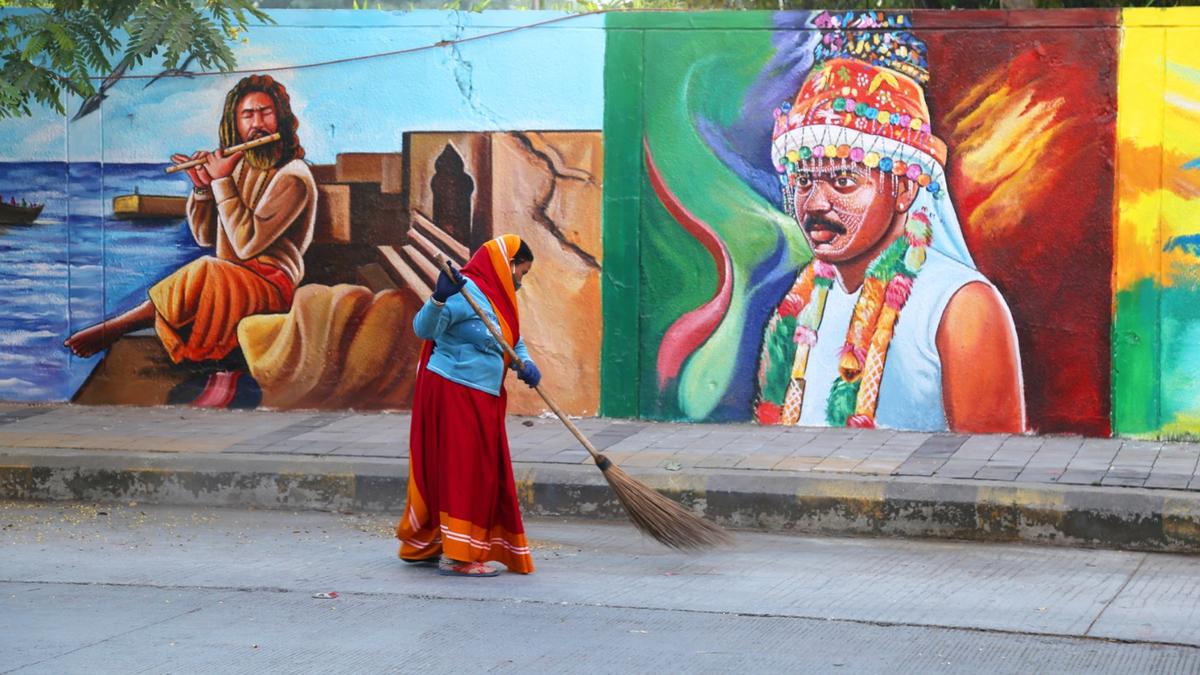
Indore Municipal Corporation tweaked the design based on feedback from the safai mitras: women preferred saris and men wanted t-shirts, shoes without laces and wrap stoles to cover nose and mouth instead of masks.
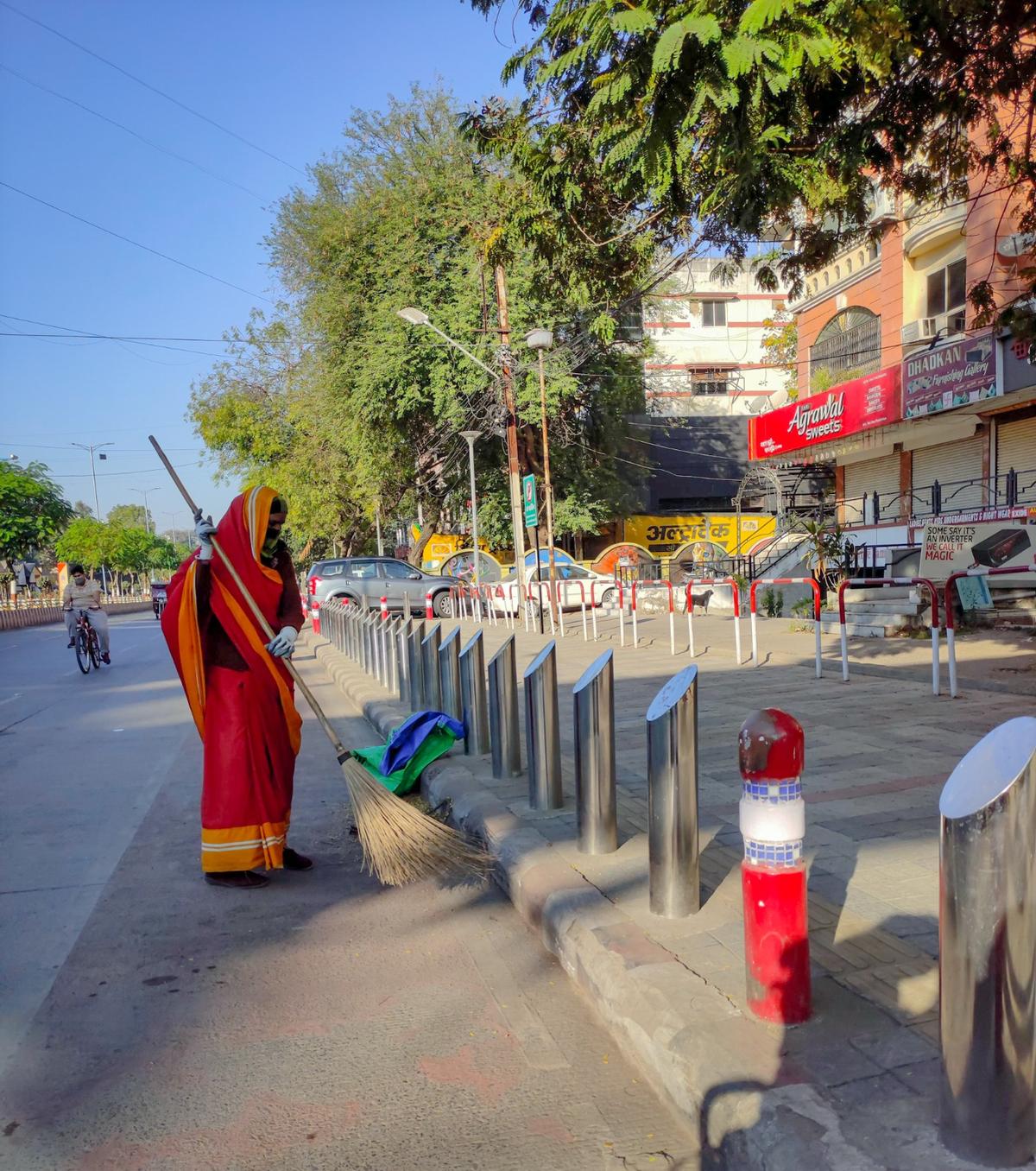
In Indore, a majority of the female safai mitras prefer saris and men wear t-shirts.
| Photo Credit:
Special Arrangement
Modal fabric was chosen for the sari for its durability and moisture control factor, something better than cotton. Gloves were also customised to ensure greater grip.
Special raincoats and fluorescent jackets are among other accessories.
“A majority of the women were against wearing the two-piece trouser and shirt as they are used to wearing sari with their face covered, which is part of their culture, so we made sure we won their confidence with a design they were ready to wear to work regularly,” says Shraddha Tomar, solid waste management officer, Indore Municipal Corporation.
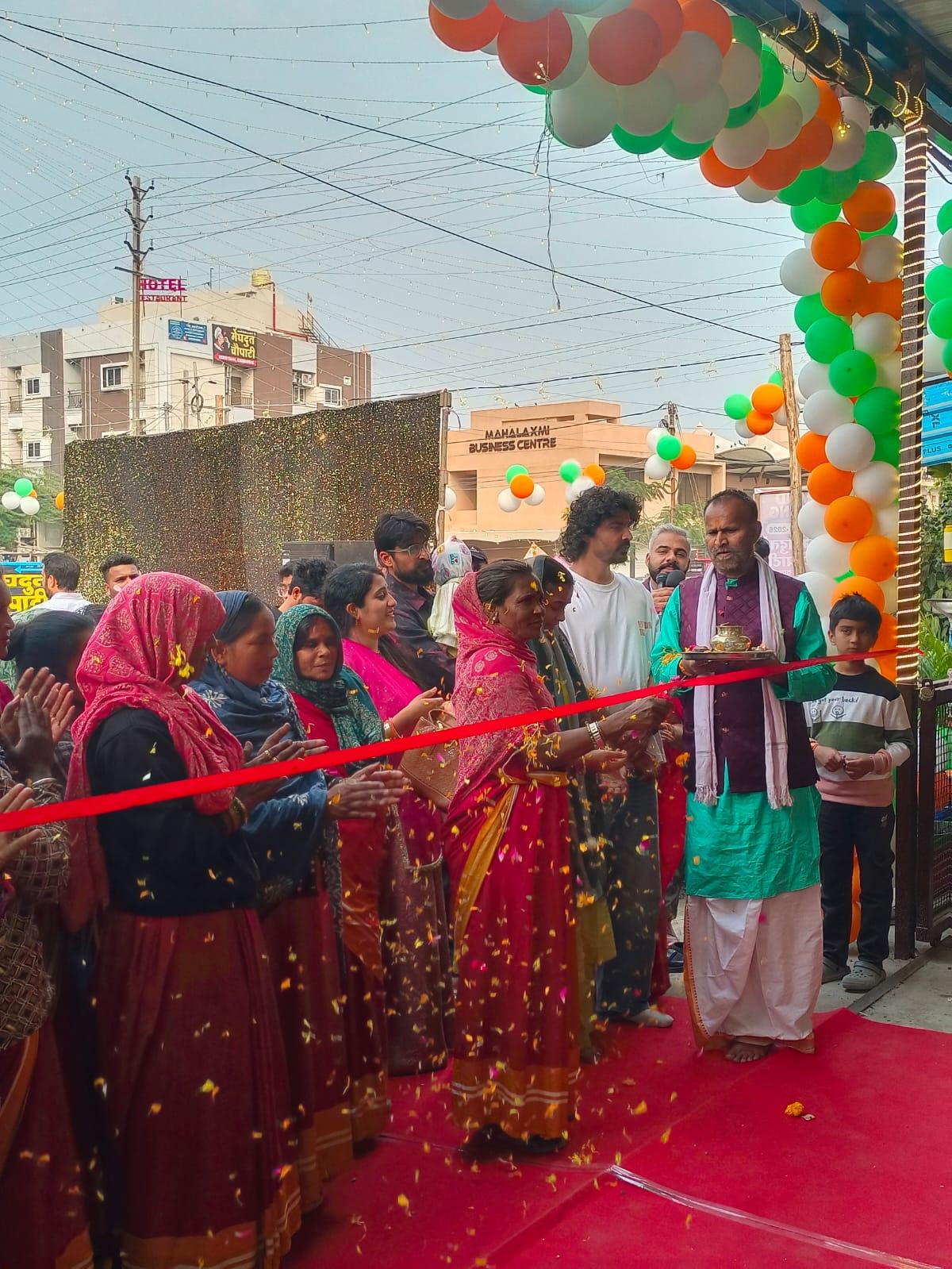
Safai mitras invited for the opening of a shop in Indore
Those who preferred salwar suits were free to have the red and yellow sari material (each safai mitra gets two sets) stitched into salwar suits. Some are seen wearing an apron depending on the nature of the work.
Of the 10,000 sanitary workers in Indore, nearly 7,500 are engaged as safai mitras and women constitute 60% of this strength, says Shraddha.
More than 80% of the roads are swept manually, and a durable and comfortable attire that gives them dignity and pride of place is when there is compliance. “Safai mitras are the most recognisable people in Indore now. People invite them for shop and restaurant openings, and have ramp walks featuring them,” says Shraddha.
IMC often conducts competitions for sanitation workers and rewards them with gift vouchers. For instance, ‘Sabse neat, apna beat’ required the public to vote for the best safai mitra, chosen by residents based on her behaviour with people, use of personal protection equipment at work and how clean she keeps her area.
An open source design
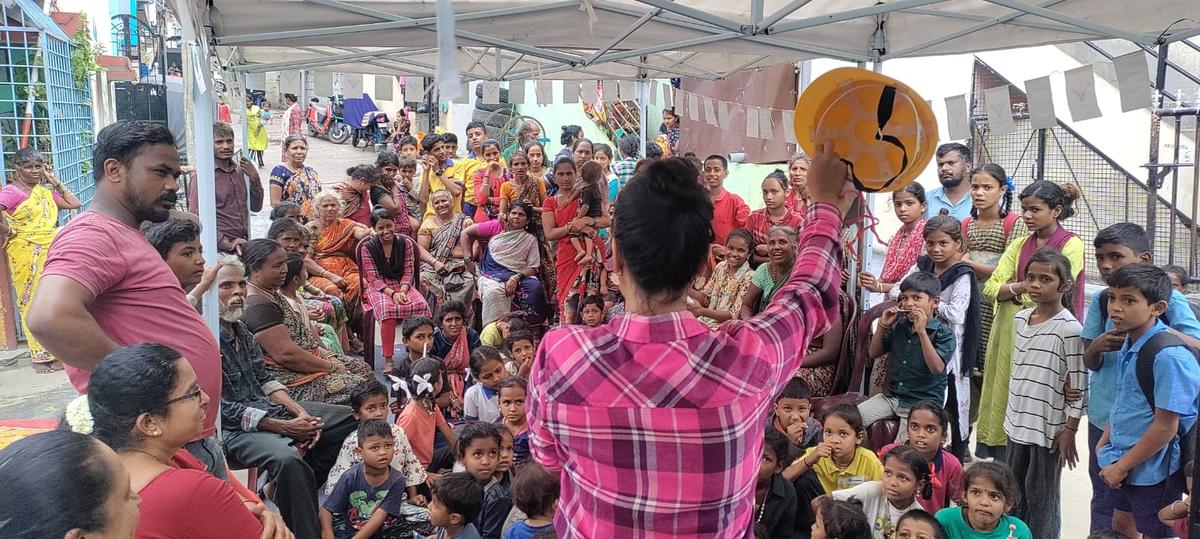
During a training programme on using personal protection equipment in a community
When Bengaluru-based non-profit Hasiru Dala (Green Force) launched its Personal Protection Equipment (PPE) for waste workers in August 2025, it made the design accessible to all, keeping it open source.
The website www.hasirudala.in gives every detail in the making of the kit which includes gloves, boots, masks and uniform jacket for both men and women; the material is explained; so are the measurements. The design document has a slogan “For the waste pickers, By the waste pickers”, with tortoise as a mascot.
With the help of Foley Design, the team worked closely with the workers to ensure the PPE kit is a well-fitting gear. The pair of dry waste gloves made from cut-resistant synthetic fabric is designed to handle waste of different quality, weight, sharpness and toxicity. It comes with a zippered vent that allows for easy wearing and removal, while also enabling airflow to reduce heat and moisture accumulated during extended use. Likewise the pair of wet waste gloves comes with an extended arm-length design to prevent spillage or skin contact. For those working with textile waste, the mask comes with an air filter.
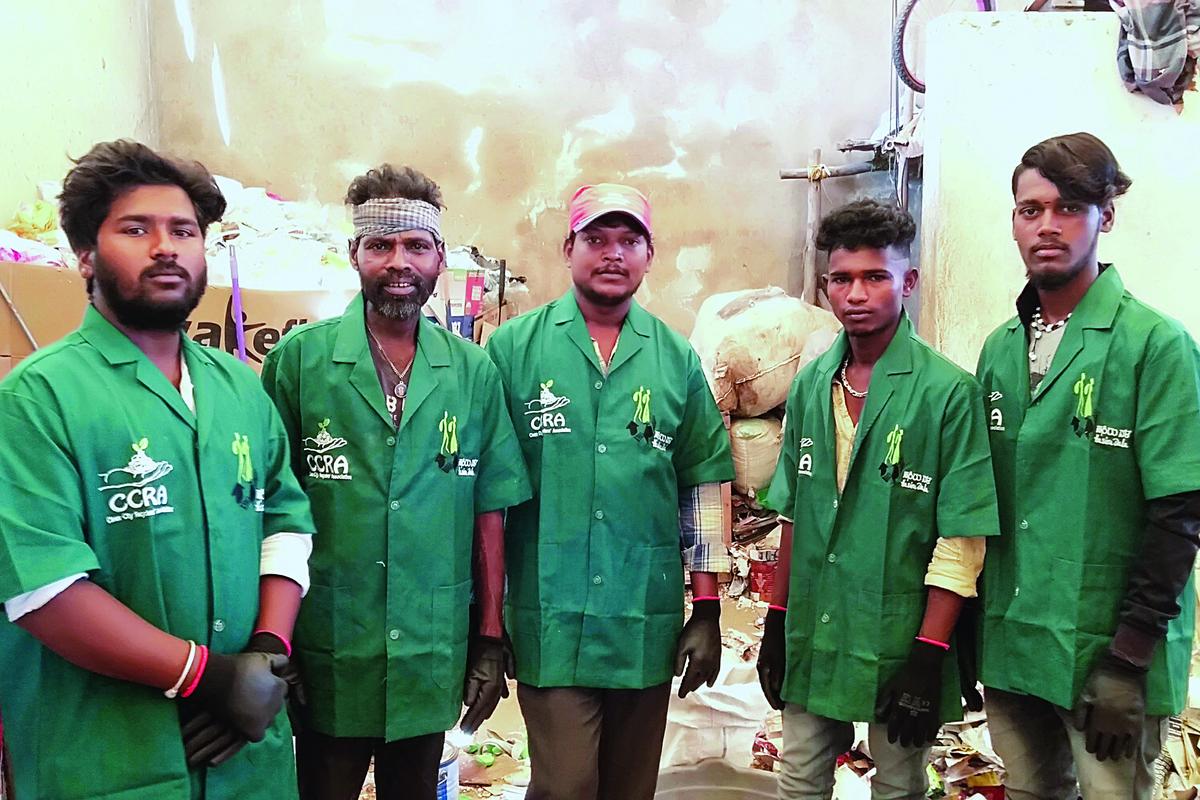
The protective gear designs are tailored for informal waste workers across India.
Hasiru Dala, 13 years old and engaging largely with waste workers in Karnataka and parts of Andhra Pradesh, has found responses to its PPE kit pouring in from various parts of India. Bengaluru Solid Waste Management Limited, which supervises 20,000 sanitary workers (pourakarmikas) in the city, has warmed up to its design.
Anupriya S, project lead, Saamuhika Shakti in Hasiru Dala, says the informal waste pickers and collectors constitute the major workforce in Bengaluru and our aim is to create impact in this segment.
After these kits were piloted with more than 100 workers, they are getting ready to be scaled up. “In the next couple of months, we are expecting to see at least 35 Dry Waste Collection Centres across Bengaluru getting these PPE kits,” says Anupriya.
Before giving these kits, a worker undergoes training on a kit’s use and after-care
Anupriya says the challenge before them was identifying a vendor who was ready to roll out production with a limited quantity. She adds: “Finding a vendor who was ready to tweak as per our requirement is not easy.”
Reflective vests for safety and visibility
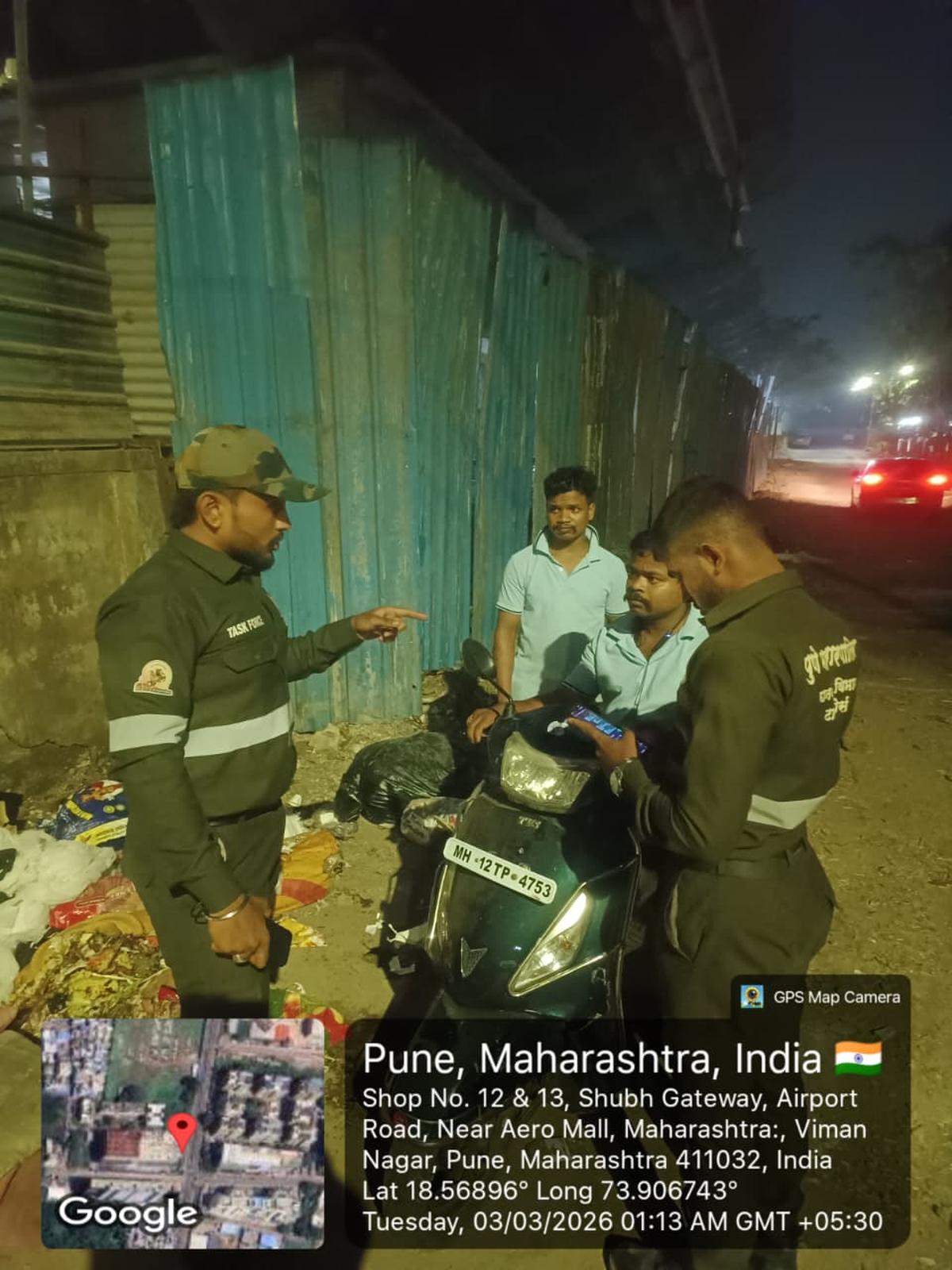
Pune Municipal Corporation deploys ‘Task Force’ at public places to prevent littering
In 2025, Pune Municipal Corporation (PMC) revamped the uniform of its task force, prioritising safety during night. These are field staff who accompany the garbage vehicles to various localities to ensure people hand over only segregated waste. They also keep a close watch on blackspots that have been beautified to ensure no passers-by litter the place.
Ssahebh Siingh, project head, Human Matrix Securite, Pune Division, says this exercise involved collaborating with various stakeholders, and the Pune Municipal Commissioner was closely involved in selecting the fabric.
“There are at least 30 task force personnel on duty and their job involves educating people spending long hours standing, so we chose a fabric that was weather-friendly and gave extra protection during nights,” says Ssahebh.
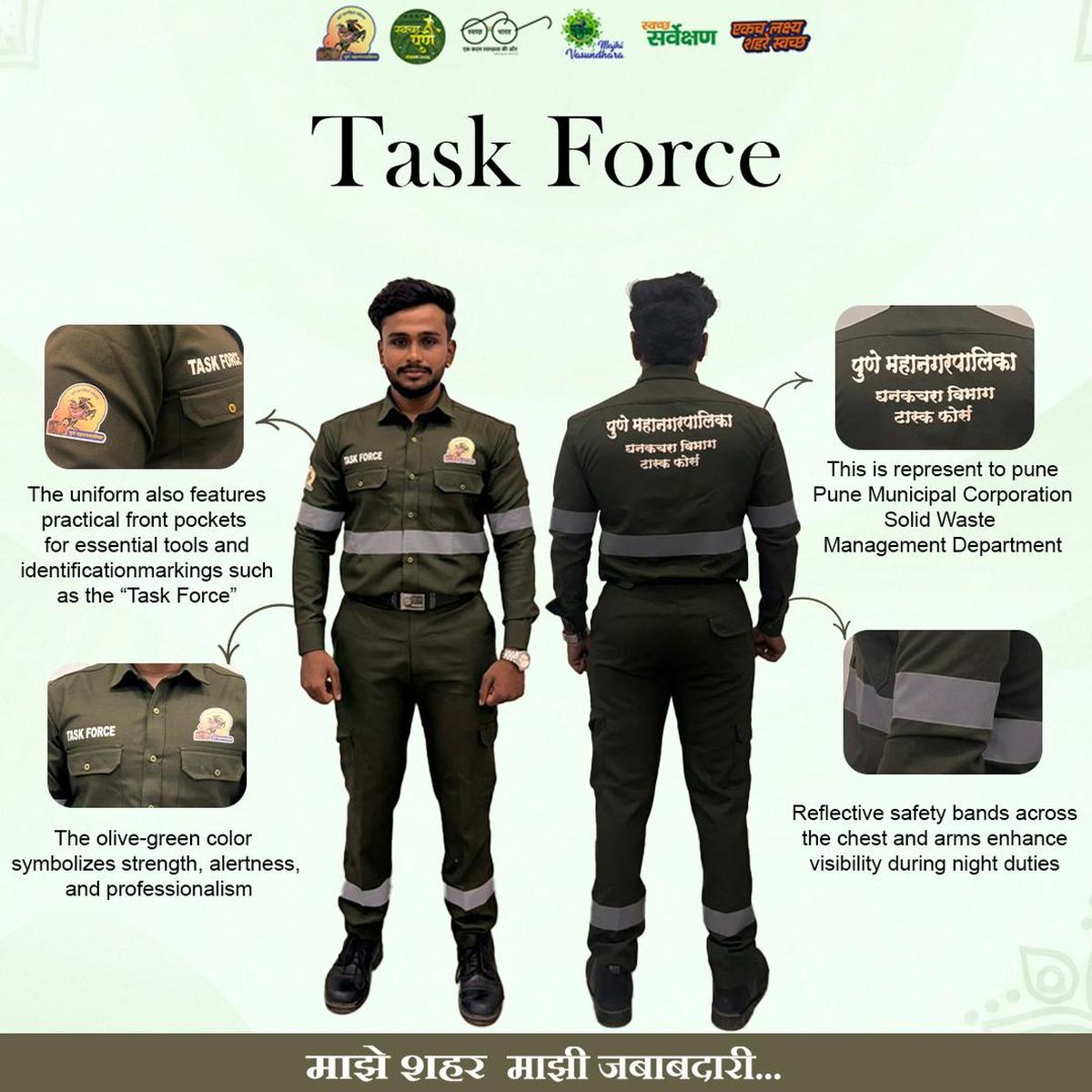
Matty suiting fabric was chosen with reflective stripes to enhance visibility during night-time operations. The PMC logo on the outfit added to the effect of the reflectors.
Prior to selecting this cotton fabric, the task force used to complain that the polyester suit was not comfortable and would stick to the skin. “Each staff is given three sets, and the vests are sweat-observant and odour-free,” he says, adding that the fabric was sourced from Bengaluru.
The IEC members working with PMC also had a change of uniform. They were given t-shirts designed with a mix of fabrics, the outer layer is polyester and inner, cotton.
Doonited Affiliated: Syndicate News Hunt
This report has been published as part of an auto-generated syndicated wire feed. Except for the headline, the content has not been modified or edited by Doonited