More than 15 weeks after the outbreak of hostilities between the United States, Israel and Iran, the economic consequences of the conflict continue to deepen despite a preliminary peace agreement announced this week.
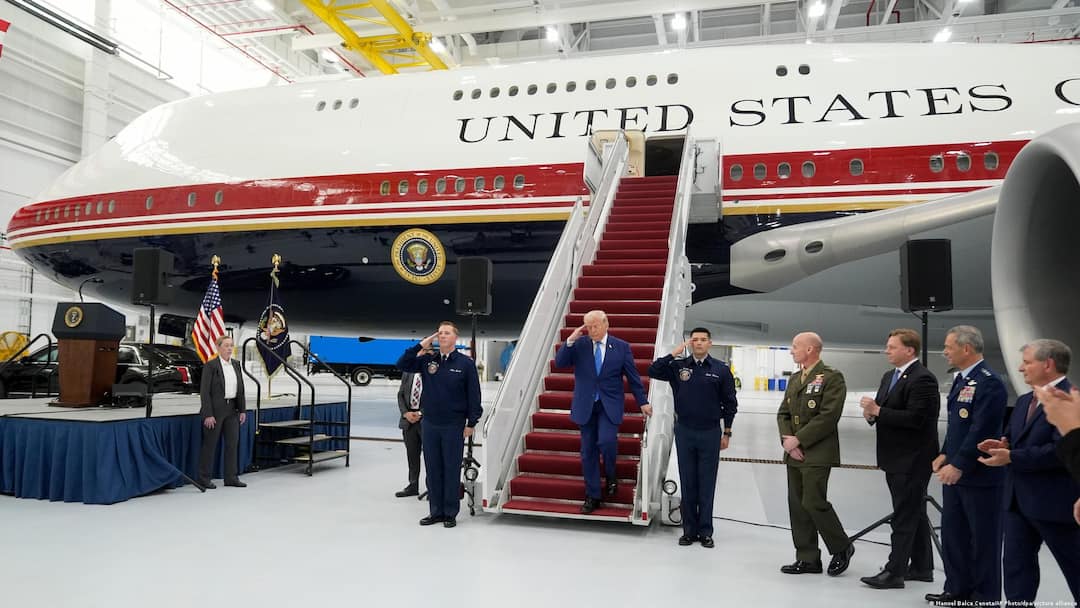
US President Donald Trump said on Monday that he and Vice President JD Vance had electronically signed a document with Iranian officials a day earlier, formally ending the war. The conflict reportedly began on February 28 when the United States and Israel launched strikes on Iran.
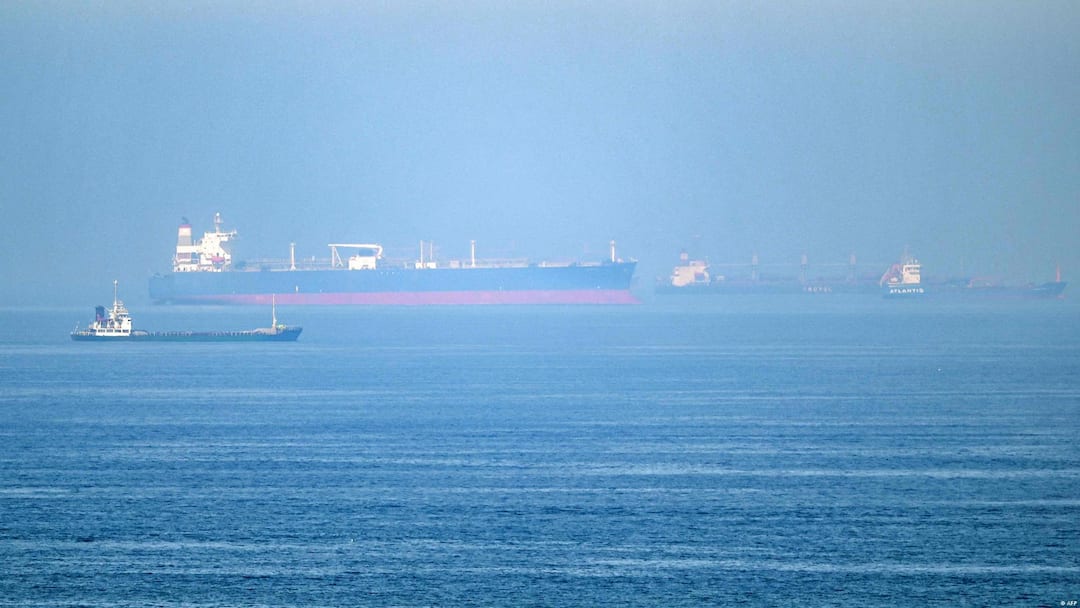
However, hopes of a swift return to normalcy suffered a setback on Saturday after Iran announced the closure of the Strait of Hormuz, accusing the United States and Israel of violating ceasefire commitments. Iran’s Khatam al-Anbiya Central Headquarters described the move as the “first step” and warned that additional measures could follow if what it called “aggression” continued.
Hormuz Closure Raises Fresh Economic Concerns
The renewed closure of the Strait of Hormuz has intensified concerns about global energy supplies and supply-chain disruptions just days after a peace framework was announced.
The strategic waterway remains one of the world’s most important energy corridors, and any disruption threatens crude oil shipments, fuel supplies and the movement of key commodities across global markets. Iranian authorities said the closure was in response to alleged violations of a ceasefire agreement by the United States and Israel.
Economists and industry experts warn that even if diplomatic efforts eventually succeed in restoring normal traffic through the strait, the economic effects already triggered by the conflict are likely to persist for months.
A $132 Billion Price Tag For The United States
The overall cost of the conflict to the United States is estimated at approximately $132 billion, with final assessments still underway during a 60-day negotiation period.
According to Moody’s Analytics, the figure reflects military expenditure, rising energy and commodity prices, and higher interest rates. Mark Zandi, the firm’s chief economist, said the burden on American taxpayers and consumers amounts to at least $132 billion.
A senior Pentagon official told Congress last month that direct military costs had already climbed to around $29 billion. That estimate did not include repairs to roughly a dozen US military bases in the region damaged during Iranian attacks.
“It costs a lot of money to just keep everyone and all this apparatus deployed there,” Linda Bilmes, a public finance expert and senior lecturer at Harvard Kennedy School, told The New York Times.
Bilmes also noted that replacing the large quantity of munitions used during the conflict would likely cost significantly more than their original procurement price.
Reports further indicated that Iran damaged additional US assets in the region, including a military radar aircraft in Saudi Arabia and parts of the US Embassy compound in Riyadh.
Fuel Costs Continue To Hit Households
According to Brown University’s Iran War Energy Cost Tracker, Americans have spent about $60 billion more on gasoline and diesel since the conflict began, amounting to roughly $460 per household.
At the outset of the war, average gasoline prices stood at around $2.98 per gallon, according to AAA. Prices later surged and remain close to $4 per gallon.
Although benchmark crude prices retreated after the announcement of a peace framework and currently hover around $80 per barrel, analysts caution that the latest closure of the Strait of Hormuz could complicate any sustained decline in energy costs.
Higher fuel prices have already filtered through the economy, increasing costs associated with transportation, manufacturing and the movement of goods.
Airfares Unlikely To Fall Soon
Industry experts have repeatedly warned that travellers should not expect immediate relief in ticket prices even if oil markets stabilise.
Airlines typically buy fuel in advance, gradually adjust operations and set fares largely according to demand. As a result, lower oil prices often take weeks or months to translate into cheaper flights.
“I think it’s unlikely that we’re going to see a retreat or reduction in the cost of flying at any point this summer,” Columbia’s House said.
Some relief could eventually come through reductions in fuel surcharges imposed by certain international carriers, according to Gordon Ho of the University of Southern California’s business school.
Fertiliser And Food Markets Face Prolonged Pressure
The conflict and disruptions around the Strait of Hormuz have also affected agricultural supply chains.
Trade disruptions have pushed up prices of commodities including sulfur, a critical ingredient used in several fertilisers.
Máximo Torero Cullen, chief economist of the Food and Agriculture Organization, warned in a Council on Foreign Relations report that disruptions in the strait could have consequences that “extend well beyond agriculture, threatening higher food prices, higher food inflation, reduced economic growth and increased hunger worldwide.”
Before the conflict, around 30% of the world’s fertiliser moved through the Strait of Hormuz. With supplies disrupted and the waterway once again closed, experts warn that a return to normal shipment levels may take considerable time.
Farmers in several countries are entering key planting seasons while facing shortages of fertiliser and elevated fuel costs.
The United Nations World Food Program has warned that the situation could have a “devastating impact” on crop yields, food availability and food prices in the months ahead.
Shipping Industry Braces For Further Disruption
The shipping sector is also preparing for a prolonged period of uncertainty.
Judah Levine, head of research at Freightos, said the disruption around the Strait of Hormuz has affected roughly 2% to 3% of global container shipping volumes, while higher oil prices have had wider implications across maritime trade.
Josh Steinitz, chief strategy officer at ShipStation Global, said consumers may continue to encounter higher shipping costs and product shortages through the end of the year.
“I think fuel surcharges, which then flow into shipping costs, which then get passed along to consumers, are still going to be with us for quite sometime from many of the major carriers,” Steinitz said.
Economic Pain Likely To Outlast The Fighting
While the preliminary peace agreement raised hopes of de-escalation, Iran’s decision to close the Strait of Hormuz has renewed uncertainty around global trade and energy markets. Iranian officials have described the move as a response to alleged ceasefire violations and warned that further measures could follow if tensions continue.
For consumers, businesses and governments, the end of active fighting may not immediately end the financial fallout. From fuel stations and airports to farms, factories and supermarket shelves, many of the economic pressures unleashed by the conflict are expected to linger well beyond the battlefield.
Doonited Affiliated: Syndicate News Hunt
This report has been published as part of an auto-generated syndicated wire feed. Except for the headline, the content has not been modified or edited by Doonited