TUESDAY, OCTOBER 20, 2026
04:51:58 AM
Doonited News
LOCAL WEATHER
Loading...
WORLD WEATHER
DELHI --°C
LONDON --°C
NEW YORK --°C
BREAKING NEWS
Pradeep Banerjee

Pradeep Banerjee

Pradeep Banerjee is the Editor of Doonited News, an independent digital news platform covering India, and Indian stories with relevance for audiences in India and overseas. He oversees editorial direction, news features and international coverage, with an emphasis on factual reporting, context and responsible journalism.

Contemporary South Indian Artists 2026: Beyond Region and Identity

Contemporary South Indian Artists 2026: Beyond Region and Identity

When “South Indian art” means more than geography There is a danger in calling something a “South Indian art movement” too quickly. India’s contemporary art scene is too diverse for a single regional label to explain it. Kerala is not Tamil Nadu; Hyderabad is not Bengaluru; Chennai is not Kochi. Artists move between cities, institutions […]

What Really Makes India a Major Military Power?

What Really Makes India a Major Military Power?

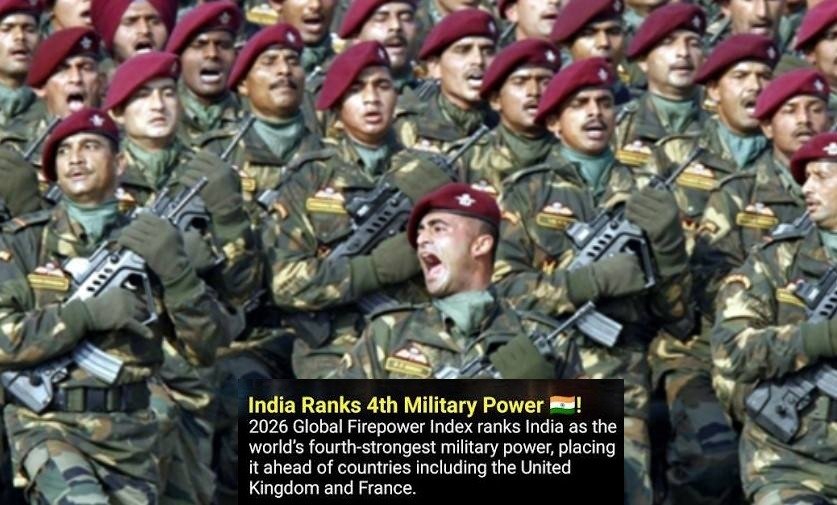
India’s Military Strength in 2026: Beyond the Numbers How powerful is India’s military? It sounds like a question with a simple answer: count the soldiers, tanks, aircraft, ships and submarines. But modern military power is rather less cooperative than a spreadsheet. A country can have thousands of tanks and still face problems with maintenance. It can possess hundreds of aircraft but have fewer available for immediate operations. It can have a large navy but still need greater numbers of tankers, submarines and long-range surveillance systems. So when we look at India’s military strength in 2026, the interesting story is not simply how many weapons India possesses. It is how those numbers combine with geography, technology, manpower, industrial capacity and strategic deterrence. Open-source assessments currently place India among the world’s major military powers. GlobalMilitary’s 2026 assessment ranks India fourth globally and lists about 1.48 million active troops, approximately 1.16 million reserves, 2,256 military aircraft and 353 naval vessels. MilitaryCompare also places India fourth in its 2026 ranking, although its underlying figures differ somewhat. The differences are a useful reminder: military statistics are estimates, not cricket scores. A massive manpower base India’s greatest conventional military asset remains manpower. The latest open-source estimates

Indian Drones in Portugal: Why FWDA’s €6M Deal Matters

Indian Drones in Portugal: Why FWDA’s €6M Deal Matters

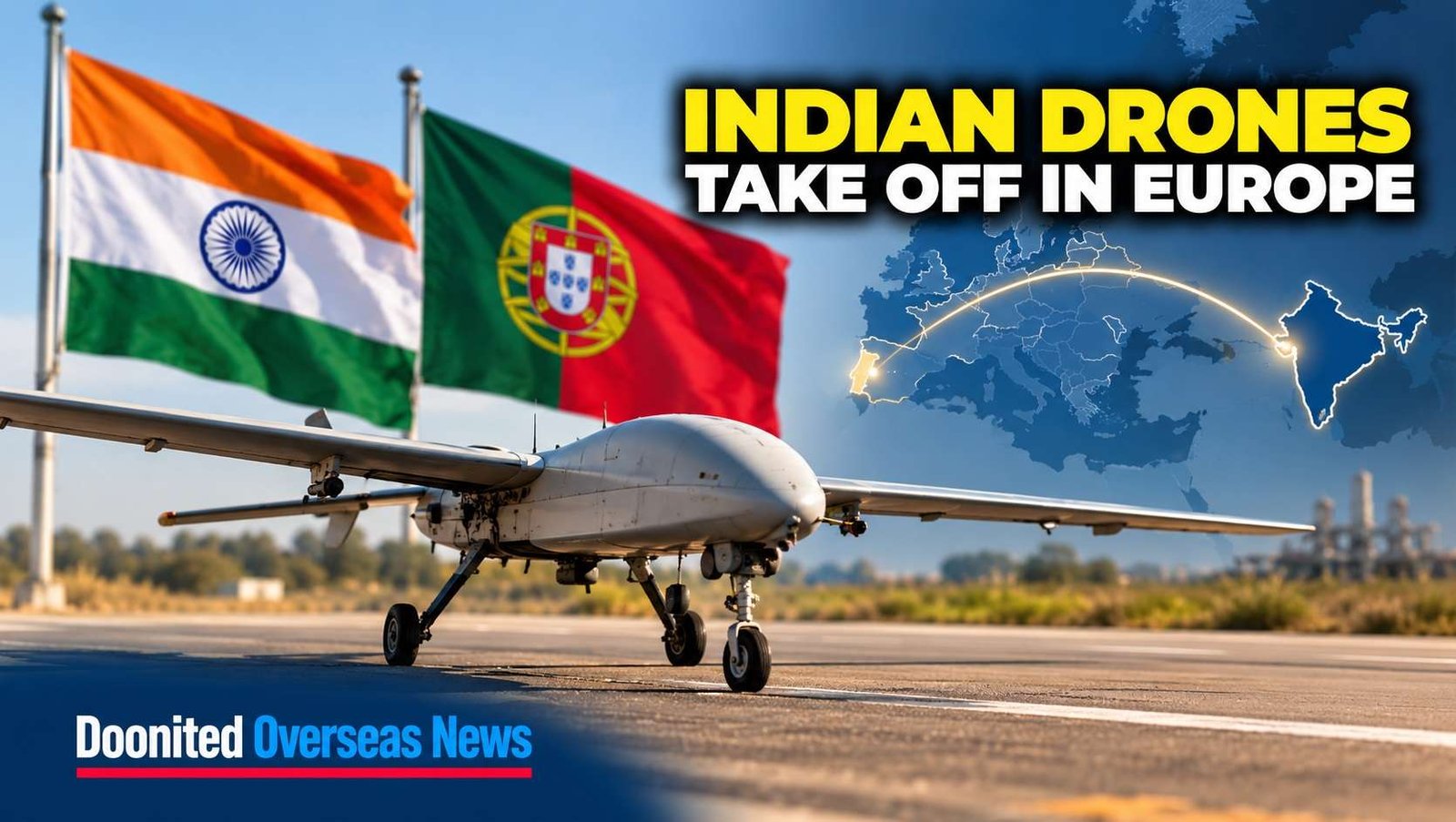
India’s defence-export story is entering a more interesting phase. The latest signal is not another overseas order for an Indian-made weapon. It is a decision to manufacture Indian-designed autonomous drone technology on European soil. Bengaluru-based Flying Wedge Defence & Aerospace (FWDA) has signed an industrial partnership with Portugal’s Keydef, the defence and aerospace division of Portuguese technology company SketchPixel LDA, under which Keydef will invest an initial €6 million in FWDA’s technologies and the companies will establish production capabilities in Portugal for international markets. The agreement covers FWDA’s Kaal Bhairava autonomous UAV and YAMA interceptor drone, with the proposed Portuguese operation eventually intended to extend across the company’s wider portfolio of surveillance, air-defence and civilian systems. For India, that makes this more than a manufacturing announcement. It is an experiment in whether an Indian defence startup can move from exporting products to becoming part of an international defence-technology supply chain. From Bengaluru engineering to European manufacturing FWDA describes itself as a Bengaluru-based developer of autonomous aerial and AI-enabled defence systems. Its product portfolio includes the Kaalbhairav series and YAMA, alongside other UAV and civilian applications. The company’s own product information describes the Kaalbhairav Lite as an indigenous long-endurance UAV with

Akash Missile Export: Why India’s Air Defence System Is Going Global

Akash Missile Export: Why India’s Air Defence System Is Going Global

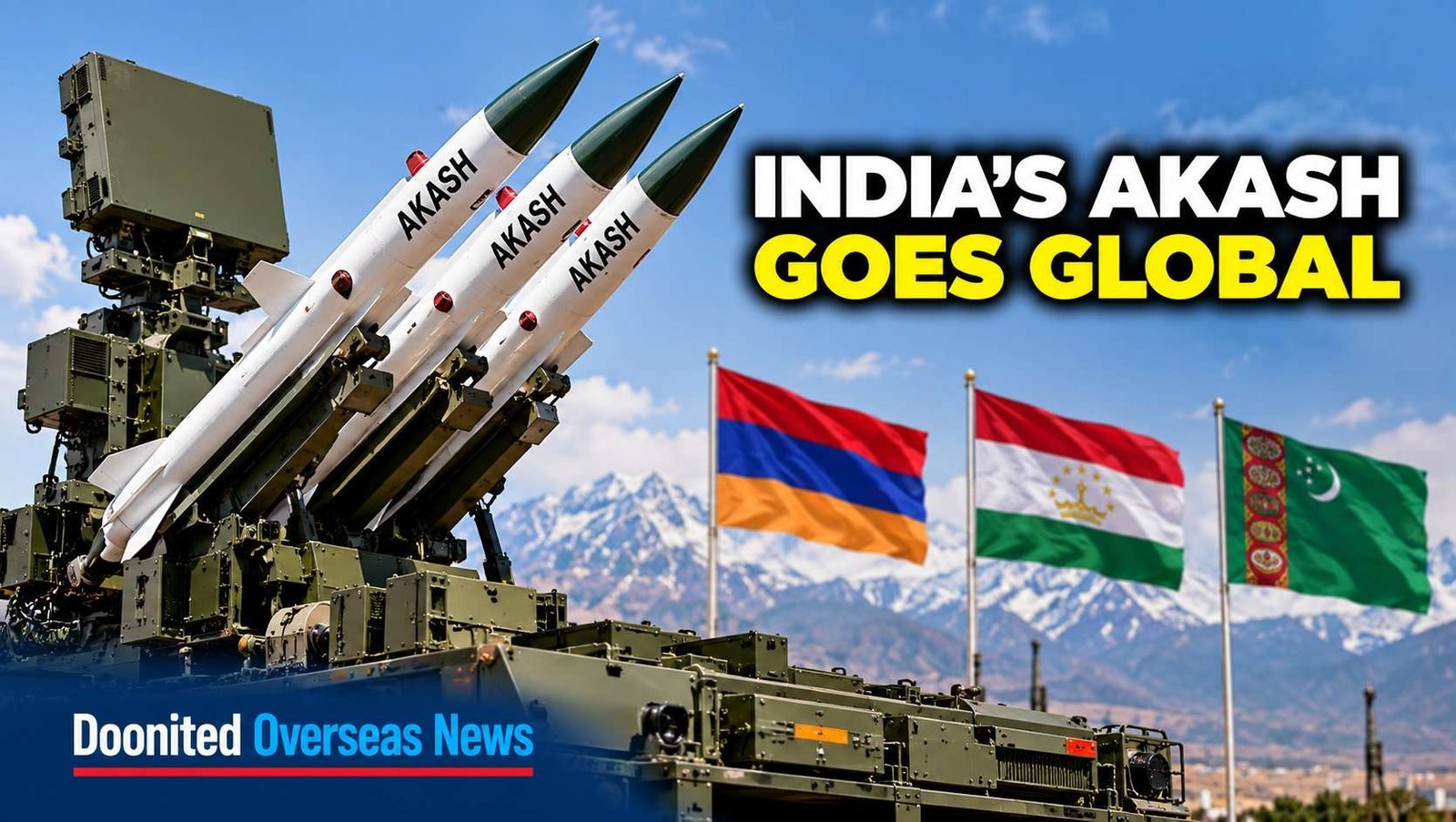
Akash Goes Global: Why India’s Air Defence System Matters Beyond Central Asia India’s Akash air-defence system has moved from an indigenous military programme to an export product with customers across the South Caucasus and Central Asia. The significance is bigger than another missile sale: it shows India beginning to compete for influence in a defence market historically shaped by Russia and increasingly contested by China, Turkey and other suppliers. For decades, the map of India’s defence relationships was relatively easy to read. Russia was central to India’s military hardware ecosystem. Western suppliers occupied important niches. Israel became a significant technology partner. And China was largely viewed as the strategic competitor rather than a market opportunity. That map is changing. India’s indigenous Akash surface-to-air missile system has now been exported to Armenia, Tajikistan and Turkmenistan, according to Defence Secretary Rajesh Kumar Singh. Armenia was the first foreign customer and acquired multiple batteries; Singh subsequently confirmed exports to Tajikistan and Turkmenistan. He described Akash as one of India’s defence-sector success stories and said its production had stabilised. The geography is important. Armenia is in the South Caucasus. Tajikistan and Turkmenistan are in Central Asia. That distinction matters because the development is not

India’s Naval Defence Push: Why Euronaval 2026 Matters

India’s Naval Defence Push: Why Euronaval 2026 Matters

India’s Naval Defence Push Heads to Paris: Why Euronaval 2026 Matters for India’s Global Ambitions Standfirst: As Indian defence exports reach a record ₹38,424 crore, Euronaval 2026 offers a useful test of whether India can move beyond selling individual systems and build lasting industrial relationships in Europe and other maritime markets. India’s defence industry is entering an important new phase: from seeking foreign technology and equipment to competing for international customers, industrial partnerships and technology relationships of its own. That shift will receive a high-profile international test in Paris from 3–6 November 2026, when Euronaval, one of the world’s major naval defence exhibitions, brings together governments, naval forces, procurement agencies, defence companies and technology firms at Paris Nord Villepinte. The organisers describe the event as a meeting point for the global naval ecosystem and say it will bring together defence ministers, ambassadors, naval chiefs, procurement authorities, coastguard officials and defence-industry representatives. For India, however, the significance is larger than an exhibition. It comes at a time when the country’s defence exports have reached an unprecedented level and when India and the European Union have formally expanded their security and defence relationship. From defence buyer to defence partner India’s transformation is

India Ranks 38th in Global Innovation Index 2026: What Next?

India Ranks 38th in Global Innovation Index 2026: What Next?

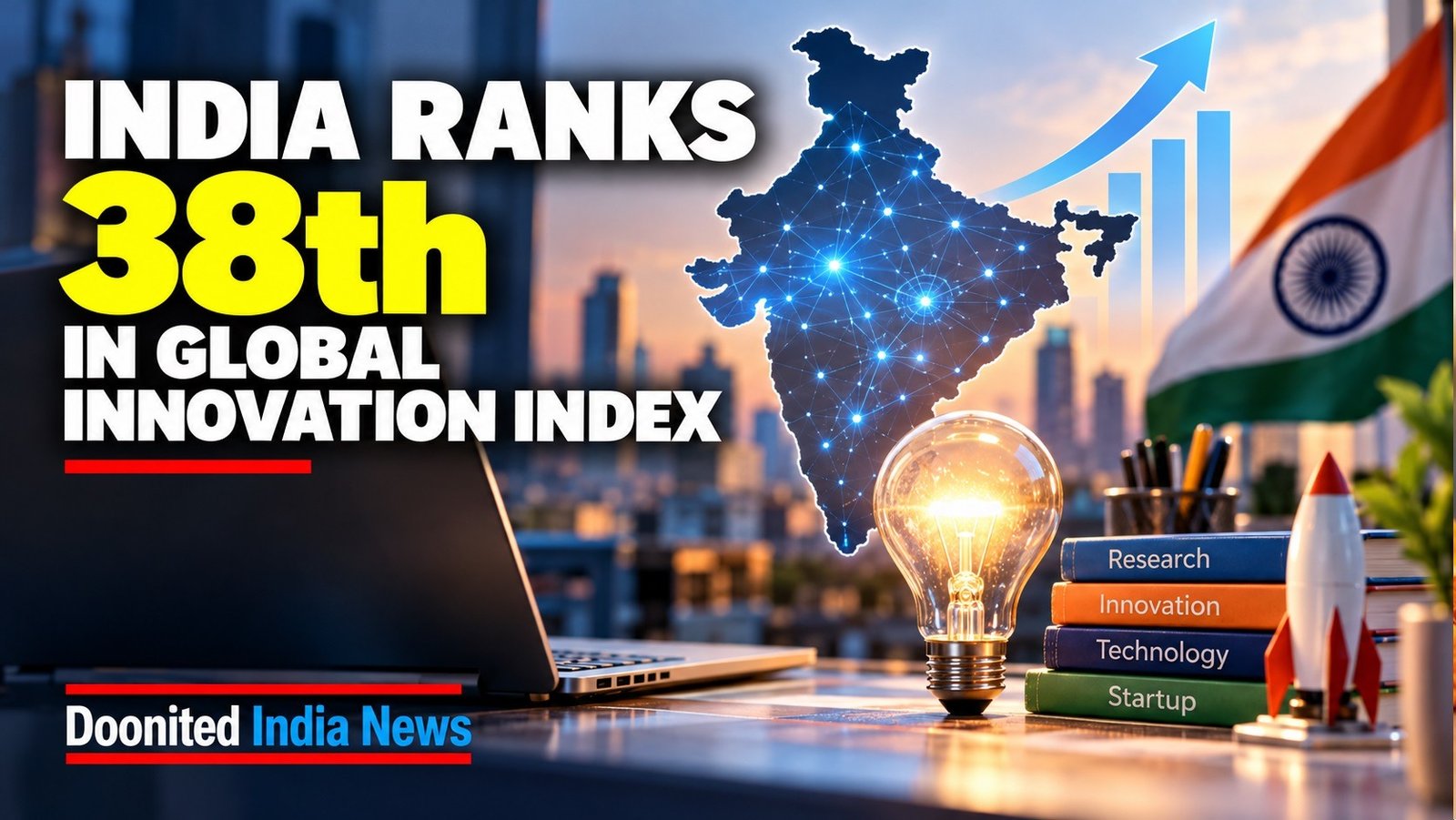
India Ranks 38th in Global Innovation Index 2026. Can It Turn Startup Success into Scientific Strength? India’s 38th-place finish in WIPO’s Global Innovation Index highlights an unusual strength: the country produces innovation results that outperform its relatively modest research and development base. Strong digital services, startup finance and intellectual property activity are helping India climb. […]

Indian Telecom Equipment Makers: Can They Win Global 5G Markets?

Indian Telecom Equipment Makers: Can They Win Global 5G Markets?

India’s 5G Equipment Makers Want to Go Global. Can They Compete with the World’s Telecom Giants? Tejas Networks, HFCL and Dixon Technologies represent three different routes into the global telecom equipment market: developing network technology, building connectivity products and manufacturing hardware for established brands. India’s telecom equipment market could reach $50 billion by FY2032, according […]

Kota Dussehra Mela 2026: Why the 300-Year-Old Fair Still Matters

Kota Dussehra Mela 2026: Why the 300-Year-Old Fair Still Matters

Kota Dussehra Mela: Why a 300-Year-Old Fair Still Matters to Modern India Kota’s Dussehra is much larger than a single evening of Ravana Dahan. Tracing its documented history to 1723, the fair has evolved from a royal and religious observance into a sprawling public celebration where Ramleela, folk culture, commerce, entertainment and community life meet. […]

Pushkar Beyond the Camel Fair: The Sacred Town Going Global

Pushkar Beyond the Camel Fair: The Sacred Town Going Global

Pushkar Beyond the Camel Fair: The Sacred Town Becoming a Global Travel Experience Pushkar is internationally famous for its camels, desert fair and bohemian travel culture. But behind the annual spectacle is something more enduring: a living pilgrimage town that has learned to accommodate global travellers without surrendering its sacred identity. For much of the […]