
How Young Diaspora Organisers Are Keeping Gujarati Traditions Alive in Europe
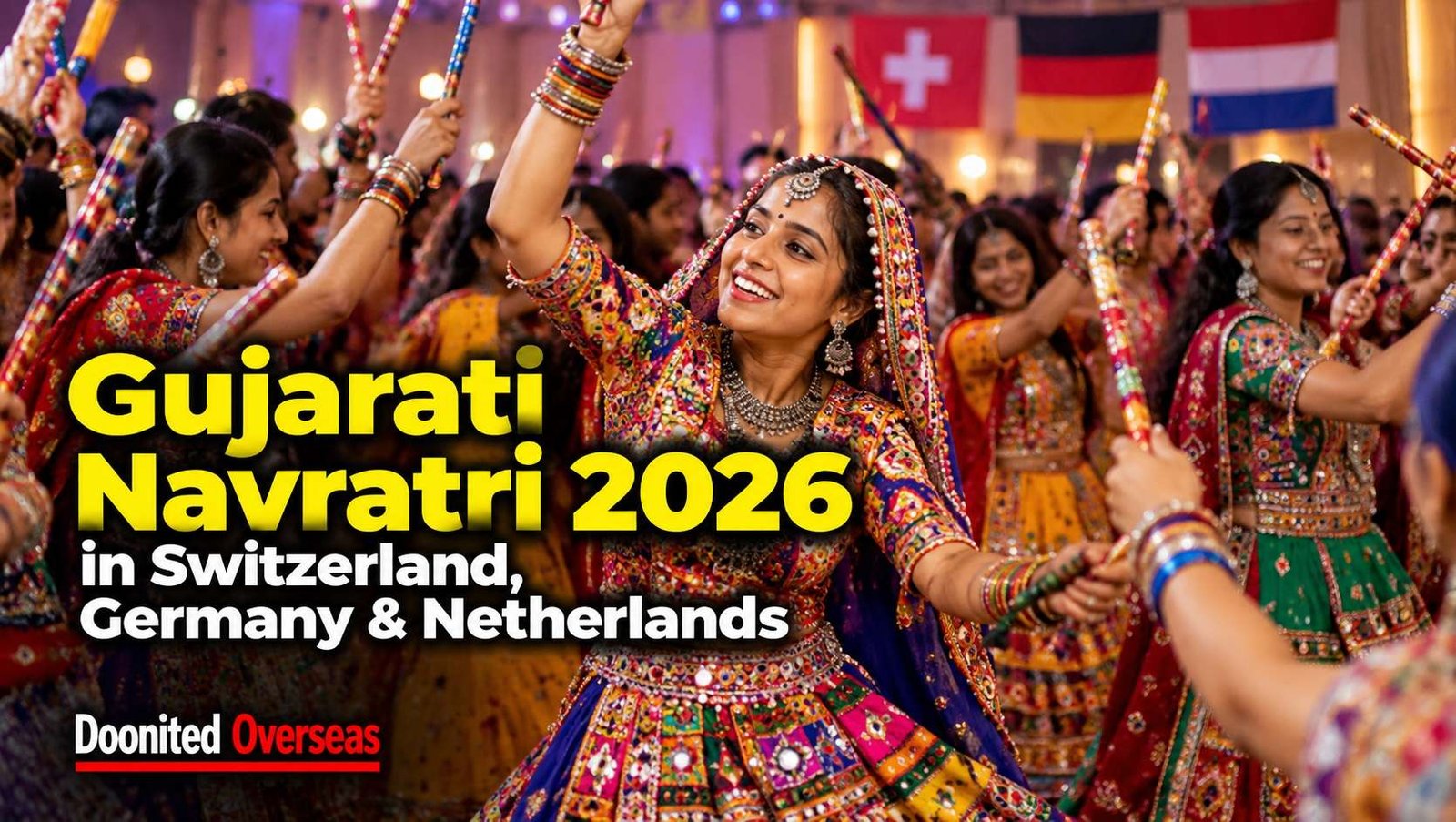
From community Garba nights in Switzerland to Navratri gatherings in Germany and the Netherlands, Gujarati dance is bringing generations together across Europe. With UNESCO recognition giving the tradition greater international visibility, a new generation of organisers is finding ways to preserve its devotional roots while welcoming wider audiences.

When the circle travels, the culture travels with it
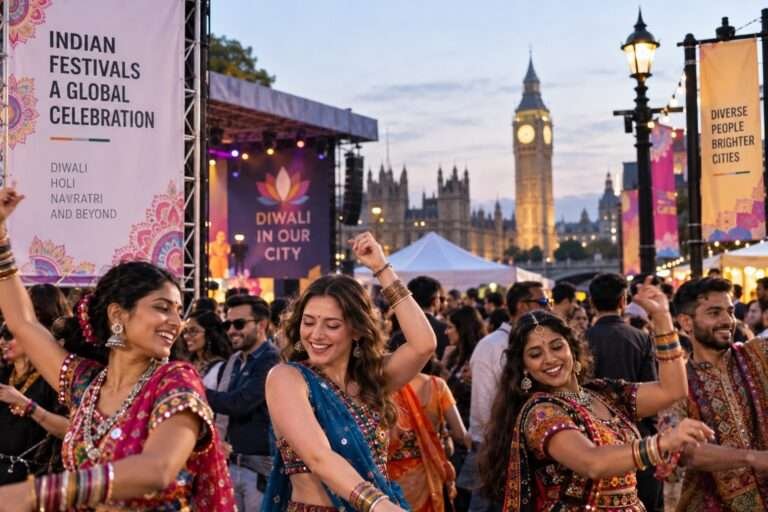
As autumn approaches, Indian community calendars across parts of Europe are filling with the familiar rhythm of Navratri: clapping hands, swirling traditional dress, the beat of folk music and circles of dancers moving through the night.
For many Gujaratis living abroad, Garba is more than a seasonal social event. It is a way to stay connected with family traditions, language, music and a shared cultural memory. For younger generations growing up in multicultural cities, it can also be a place to discover — or rediscover — a heritage that may feel distant from everyday life.
In 2026, community listings point to a busy Navratri season across Switzerland, Germany and the Netherlands. Events range from Garba and Dandiya nights to wider celebrations combining dance, devotional activities and cultural programmes. The gatherings vary in scale and format, but together they show how a tradition rooted in Gujarat is being practised in new social settings.
The timing is especially significant. UNESCO inscribed Garba of Gujarat on its Representative List of the Intangible Cultural Heritage of Humanity in December 2023. The recognition brought international attention to a living tradition whose continuity depends on the people who practise, teach and pass it on.
A European calendar of Navratri
Navratri in 2026 runs from 11 October, with Vijayadashami falling on 20 October. Overseas organisers often schedule public Garba nights around weekends, making it easier for families, students and working professionals to
In Switzerland, the Swiss Desi Navaratri calendar lists celebrations in several cities and communities. Among the scheduled events are IAG Navaratri celebrations in Geneva on 10 October, Ras Garba in Baden on 17 October, IAGZ Raas Garba in Zurich on 25 October, and a Garba and Dandiya night in Lausanne on 31 October. The listing also includes the Basel Garba Night on 26 September, which has already taken place as of this article’s publication date.
In the Netherlands, DesiAgenda’s Navratri listings include Garba Night in Rijswijk on 18 October and Navratri events in Utrecht and Eindhoven during the month. These events sit within a broader calendar of South Asian cultural and religious gatherings.
The calendar is not a complete census of European Garba. It reflects events published by the cited directories and organisers, and schedules may change. But it demonstrates that Navratri celebrations are not confined to a single national community or one major city.
What UNESCO recognition means — and what it does not
UNESCO’s 2023 decision recognised Garba of Gujarat as intangible cultural heritage. The inscription describes Garba as a ritualistic and devotional dance associated with Navratri, dedicated to Shakti, the feminine divine. Traditionally, dancers move in a circle around an illuminated earthen pot or an image of the goddess Amba, with music and rhythmic clapping shaping the performance.
The recognition is meaningful because it highlights the people and knowledge that keep a tradition alive: dancers, musicians, craftspeople, organisers, teachers and community groups. UNESCO’s framework is intended to support the safeguarding and continued practice of living heritage, not simply to award a cultural label.
But the inscription should not be misunderstood as a certification of every event marketed as Garba, nor does it mean that the dance became global only after 2023. Gujarati communities and the wider Indian diaspora had carried Garba abroad long before the UNESCO decision. The listing has instead given the tradition another platform for international recognition.
That distinction matters for organisers. Cultural visibility can attract new participants, sponsors and venues, but preservation depends on more than a full dance floor. It also requires knowledge of the music, movements, context and community practices that give Garba its meaning.
The younger generation is building the bridge
Community events abroad often depend on volunteers and organisers who balance cultural work with jobs, studies and family responsibilities. Younger organisers can bring new skills in event production, ticketing, social media, digital promotion and partnerships with local venues.
These tools can make events easier to discover and attend. Online calendars help families plan; social media gives organisers a way to reach students and people new to a city; and contemporary sound and stage production can make a traditional dance night appealing to a broad audience.
Yet the most important work may be less visible. Someone must teach the steps to newcomers, explain the difference between Garba and Dandiya Raas, coordinate musicians, arrange suitable spaces and ensure that the event remains welcoming. Those tasks turn a one-night celebration into a community institution.
The Swiss and German event listings show the range of formats available, from dedicated Garba nights to larger Navratri programmes. They do not, by themselves, establish that young people lead every event or that all celebrations feature fusion music. That is a story best told through interviews with organisers, performers and participants in individual communities.
For DOONITED, this is an opportunity for original reporting: speak to a young organiser in Zurich, a student volunteer in Berlin and a Gujarati family attending a Netherlands event. Ask what has changed over the years, what they deliberately preserve, and how they bring first-time participants into the circle.
Tradition and adaptation can coexist
Garba abroad may take place in a sports hall, rented event venue or community centre rather than a village square or neighbourhood ground in Gujarat. The audience may include people with different levels of familiarity with the dance. Music, dress, event length and the balance between devotional and social elements can also vary.
That adaptation is not automatically a loss of authenticity. Living traditions have always depended on people practising them in the circumstances available to them. The question is whether change strengthens participation while preserving the cultural knowledge at the heart of the practice.
There is also a practical challenge: public events need to be accessible, safe and financially sustainable. Venue hire, sound systems, insurance, ticketing and transport can make community celebrations expensive. Organisers may need to balance affordability with the costs of staging a large gathering. These are real considerations, even when an event’s public-facing message is one of colour and celebration.
For overseas families, the value of these gatherings may be especially personal. Children can experience a tradition alongside peers, rather than only through family explanations. Adults can reconnect with familiar songs and movements. People outside the Gujarati community can participate and learn, provided the event offers cultural context rather than presenting the dance merely as a spectacle.
More than a dance night
The growth of overseas Garba events illustrates how diaspora culture operates at several levels at once. It sustains a connection with Gujarat, creates social networks in the country of residence, and gives the wider public an opportunity to encounter Indian cultural life.
UNESCO’s recognition reinforces the importance of safeguarding the tradition, but the responsibility remains with the communities that practise it. The most durable form of recognition is not a listing alone: it is the continued transmission of skills, music, stories and meaning from one generation to the next.
As Navratri 2026 approaches, the circles forming in European cities will be made up of people with different biographies — recent arrivals, long-settled families, students and local friends. They may come for devotion, dance, friendship or curiosity. What connects them is participation.
For the Gujarati diaspora, that is the quiet achievement behind Garba’s international journey. The dance travels, the setting changes, and the audience broadens — but the circle still depends on people choosing to join it.


World Beyond the News
Octopuses Can Change Their Appearance
Octopuses can rapidly alter their skin colour and texture to communicate, camouflage themselves and respond to danger.
Some Cities Exist Across Two Continents
A small number of cities are geographically associated with two continents, creating unusual cultural and geographic identities.
Earth’s Climate Is Measured in Many Ways
Scientists track temperature, atmospheric gases, sea level, ice cover and other indicators rather than relying on a single climate number.
Streaming Changed How Audiences Discover Shows
Recommendation systems and global streaming releases allow audiences to discover programmes far beyond their original markets.