In a bid to cushion the domestic economy from global disruptions, the Ministry of Finance India on Thursday announced a temporary customs duty exemption on several crucial petrochemical products. The relief measure, effective until June 30, is aimed at stabilizing supply chains and easing cost pressures on industries and consumers grappling with volatility triggered by the ongoing West Asia conflict.
The exemption applies to a wide range of essential feedstock and intermediates used across industries such as plastics, textiles, pharmaceuticals, automotive manufacturing, packaging, and chemicals—sectors heavily reliant on imported petrochemical inputs.
Relief Amid Supply Chain Disruptions
Explaining the rationale behind the move, the finance ministry stated, “This measure has been taken as a temporary and targeted relief in order to ensure continued availability of critical petrochemical inputs for domestic industry, reduce cost pressures on downstream sectors, and safeguard supply stability in the country.”
The government highlighted that escalating tensions in West Asia have disrupted global shipping routes and driven up crude oil prices, creating ripple effects across industrial supply chains. By removing customs duties, authorities aim to prevent shortages and keep production costs under control.
Wide Range Of Inputs Covered
The exemption list includes key industrial chemicals such as methanol, anhydrous ammonia, toluene, styrene, dichloromethane (methylene chloride), vinyl chloride monomer, polybutadiene, styrene butadiene, and unsaturated polyester resins.
In light of the ongoing conflict in West Asia and the consequent disruptions in global supply chains, the Government of India has decided to provide full Customs Duty exemption on critical petrochemical products till 30th June, 2026.
Exemption will benefit sectors dependent on… pic.twitter.com/6P3MgHMz7j
— ANI (@ANI) April 2, 2026
These materials serve as the backbone for a variety of industries—from fertilizers and pharmaceuticals to plastics and synthetic rubber—making their uninterrupted availability critical for economic stability.
Broader Strategy To Tackle Global Shock
India’s move comes as global crude oil prices have surged sharply following military escalations involving the United States, Israel, and Iran. The conflict has heightened concerns over maritime trade routes and energy supplies, areas where India remains significantly import-dependent.
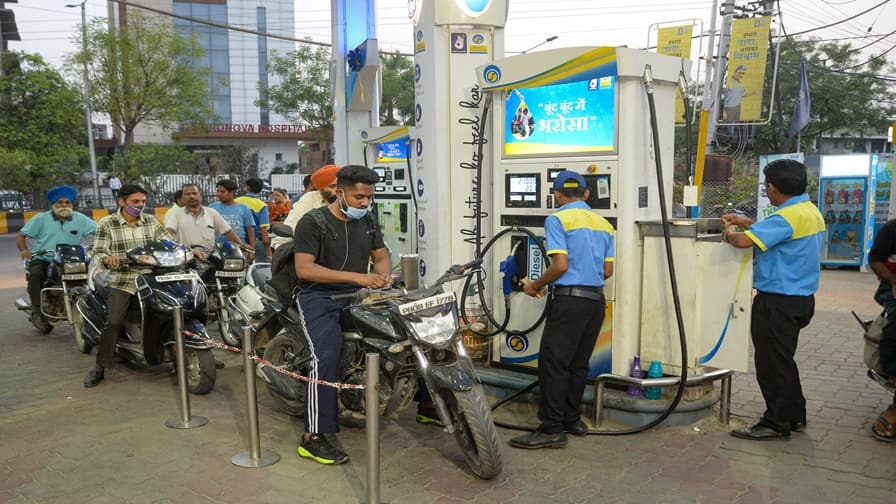
To mitigate the impact on consumers, the government had already reduced excise duty on petrol and diesel by ₹10 per litre last week. Petrol duty now stands at ₹3 per litre, while diesel has been exempted. Additionally, export duties have been imposed on diesel and aviation turbine fuel (ATF) to ensure sufficient domestic availability.
BREAKING NOW: Indore fire tragedy as EV short circuit triggers deadly explosions
Doonited Affiliated: Syndicate News Hunt
This report has been published as part of an auto-generated syndicated wire feed. Except for the headline, the content has not been modified or edited by Doonited