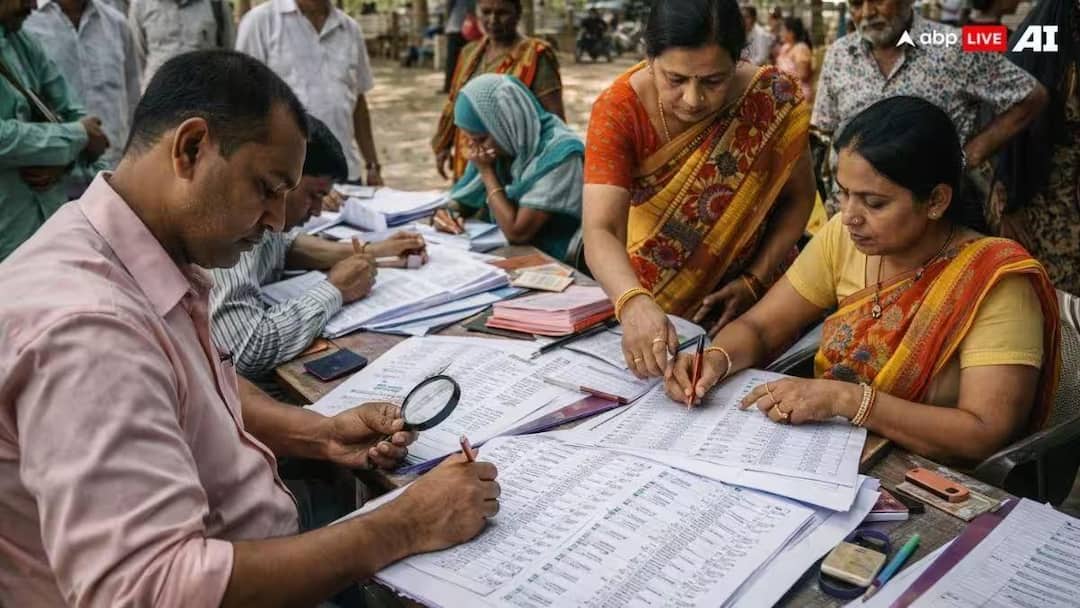
Three well-known Hyderabad biryani chains are now at the center of a sweeping tax investigation that could expose one of the largest alleged billing manipulations in India’s food industry. What began as a routine probe into suspected irregularities has reportedly expanded into a nationwide inquiry involving thousands of restaurants, and potentially undeclared revenue running into a staggering ₹70,000 crore.
Inside The Massive Data Trail
The breakthrough came when officials began examining a widely used billing system that restaurants rely on to generate customer invoices. Armed with artificial intelligence tools and digital forensic methods, investigators sifted through records from nearly 1.77 lakh restaurants. In total, they analyzed an enormous 60 terabytes of data.
What They Found Was Startling.
After customers completed payments, many transactions were either deleted or altered within the system. On paper, sales appeared modest. In reality, the earnings were far higher.
Across India, restaurants using this software allegedly wiped out bills worth more than ₹13,000 crore. In Andhra Pradesh and Telangana alone, hidden sales exceeded ₹5,100 crore.
To verify their findings, officials conducted physical inspections at 40 restaurants. They compared actual sales figures with digital records. Even in this limited sample, nearly ₹400 crore in sales appeared to be missing.
The pattern was too consistent to ignore.
States Where Evasion Was Highest
While discrepancies surfaced nationwide, certain states stood out. Karnataka recorded the highest level of suspected evasion, followed by Telangana and Tamil Nadu.
In some cases, investigators found that restaurant owners didn’t even delete transactions. Instead, they simply reported lower earnings to tax authorities despite maintaining higher sales internally.
Based on the data examined so far, officials believe that roughly one-fourth of total restaurant sales may have been concealed.
How The Manipulation Worked
Billing software is typically designed to prevent theft by ensuring every transaction, whether cash, card, or UPI, is logged. But investigators allege that some restaurant owners manipulated these systems themselves.
One of the most common tactics involved deleting cash transactions, which are inherently harder to trace than digital payments. In other cases, entire days or even full months of billing records were erased. Tax returns were then filed showing sharply reduced income.
The scope of the investigation spans restaurant sales totaling nearly ₹2.43 lakh crore over six years. To piece together the puzzle, officials worked from digital labs, using AI tools to cross-check billing data with GST registrations and publicly available business information.
What initially seemed like isolated irregularities in Hyderabad and Visakhapatnam soon revealed something far larger. As evidence mounted, authorities expanded the probe nationwide.
Up Batuk Row: Political Storm Over ‘Brahmin Respect’ in Uttar Pradesh
Doonited Affiliated: Syndicate News Hunt
This report has been published as part of an auto-generated syndicated wire feed. Except for the headline, the content has not been modified or edited by Doonited