- Strait of Hormuz crucial for global energy, global powers watch.
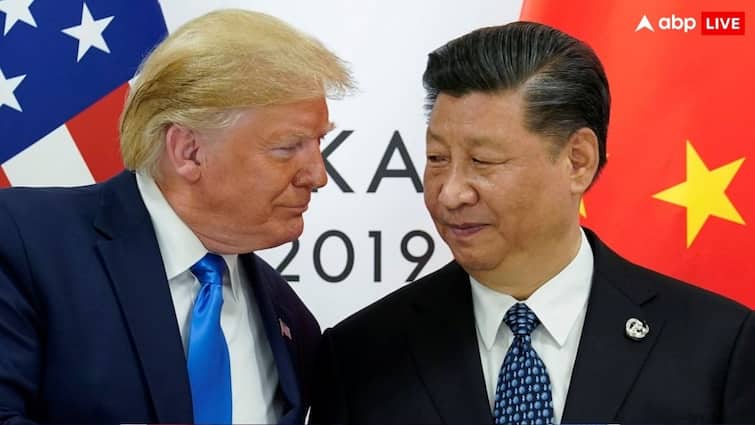
US President Donald Trump has announced plans to impose a naval blockade on ships entering or exiting Iranian ports on April 13 at 10:00 AM ET (7:30 PM IST), sharply escalating tensions in an already fragile region. The move follows unsuccessful negotiations in Islamabad and signals a potential shift towards direct maritime pressure on Tehran. The development has triggered concern among global powers, particularly China, given the strategic importance of regional trade routes and their impact on global energy supplies.
“The United States to Blockade Ships Entering or Exiting Iranian Ports on April 13 at 10:00 A.M. ET. Thank you for your attention to this matter!” – President Donald J. Trump pic.twitter.com/gUBqyUGs1G
— The White House (@WhiteHouse) April 13, 2026
China Signals Caution
China has responded with measured concern, reiterating its commitment to maintaining global peace while continuing economic engagement with Iran. Defence Minister Admiral Dong Jun stated that Chinese vessels are operating normally through the Strait of Hormuz, underscoring Beijing’s intent to avoid disruption.
He emphasised that existing trade and energy agreements with Tehran would be honoured, highlighting China’s reliance on Iranian crude prior to the current tensions. Beijing also warned against external interference in its bilateral relations, asserting that Iran retains sovereignty over the critical maritime corridor.
Rising Regional Tensions
The blockade threat has intensified geopolitical strain, with China calling for restraint and adherence to temporary ceasefire arrangements. Foreign Ministry spokesperson Guo Jiakun described the Islamabad talks as constructive, despite their failure to yield a breakthrough, and urged all sides to prioritise diplomacy over escalation.
Guo also rejected allegations that China may supply weapons to Iran, calling such claims baseless and reiterating that Beijing adheres to strict export controls in line with international norms.
The Strait of Hormuz remains one of the world’s most critical energy arteries, facilitating nearly 20% of global oil and gas shipments. Any disruption in this region could send shockwaves through international markets, impacting energy prices and economic stability worldwide.
Bihar Political Buzz: Samrat Choudhary Likely to Become Next Chief Minister
Doonited Affiliated: Syndicate News Hunt
This report has been published as part of an auto-generated syndicated wire feed. Except for the headline, the content has not been modified or edited by Doonited