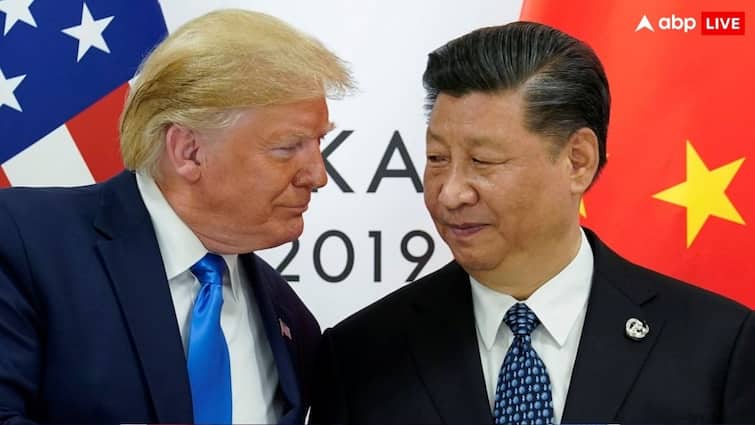
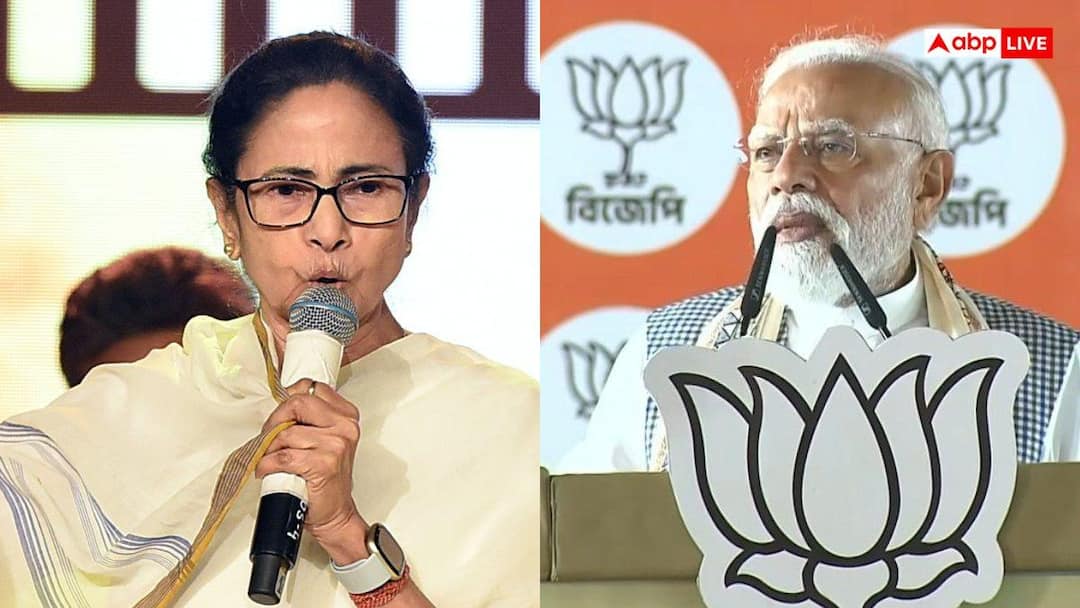
Prime Minister Narendra Modi and US President Donald Trump held a nearly 40-minute phone conversation amid rising tensions in West Asia, following the collapse of recent US-Iran peace talks.
The call, the third between the two leaders this year, comes at a critical moment as uncertainty grows over a fragile ceasefire in the region. It also marks their second interaction since tensions escalated after US and Israeli strikes on Iran on February 28.
Focus on Strategic Ties and Regional Stability
In a post on X, PM Modi said the two leaders reviewed progress in bilateral cooperation and reaffirmed their commitment to strengthening the India-US Comprehensive Global Strategic Partnership.
“Received a call from my friend President Donald Trump. We reviewed the substantial progress achieved in our bilateral cooperation in various sectors. We are committed to further strengthening our Comprehensive Global Strategic Partnership in all areas,” Modi wrote.
The leaders also discussed the evolving situation in West Asia, emphasising the need to keep the Strait of Hormuz open and secure, a key maritime route for global energy supplies.
Talks Follow Collapse of US-Iran Negotiations
The conversation comes shortly after the United States and Iran concluded nearly 21 hours of direct negotiations in Islamabad without reaching an agreement, casting doubt over a two-week ceasefire.
Despite extensive discussions, the talks ended without a breakthrough, with both sides blaming each other for the deadlock.
US officials said the negotiations failed because Iran did not commit to abandoning its nuclear programme. Tehran, however, accused Washington of undermining the talks, though it did not specify the points of disagreement.
Sharp Differences Remain
US Vice President JD Vance reiterated Washington’s position, stating that Iran must provide clear assurances that it will not pursue nuclear weapons or the capability to develop them.
“We need to see an affirmative commitment that they will not seek a nuclear weapon, and they will not seek the tools that would enable them to quickly achieve a nuclear weapon,” Vance said.
On the Iranian side, parliamentary speaker Mohammad Bagher Qalibaf, who led the delegation, said the responsibility now lies with the United States.
“It is time for the United States to decide whether it can gain our trust,” he said.
Continued Engagement Amid Uncertainty
Modi and Trump had previously spoken on February 2 about a bilateral trade deal and again on March 24 to review developments in West Asia.
Bihar Political Buzz: Samrat Choudhary Likely to Become Next Chief Minister
Doonited Affiliated: Syndicate News Hunt
This report has been published as part of an auto-generated syndicated wire feed. Except for the headline, the content has not been modified or edited by Doonited