- Repo rate unchanged; West Asia conflict dominates RBI’s outlook.
- Inflation forecast raised, growth projections cut on oil prices.
- Monsoon, El Niño pose risks; external stability measures announced.
RBI MPC June 2026: The Reserve Bank of India’s June 2026 Monetary Policy Committee (MPC) meeting was dominated by one theme: the economic fallout of the ongoing conflict in West Asia. While the central bank left interest rates unchanged, it sharply revised its assessment of inflation, growth and external sector risks, signalling a more cautious approach for the months ahead.
Here are the biggest takeaways from the June 2026 policy review.
RBI Keeps Repo Rate Unchanged At 5.25 Per Cent
The six-member MPC unanimously voted to keep the policy repo rate unchanged at 5.25 per cent. The committee also retained its neutral stance, indicating that future decisions will depend on incoming data and evolving global developments.
West Asia Conflict Dominates RBI’s Outlook
For the first time in recent years, geopolitical developments took centre stage in the RBI’s policy assessment.
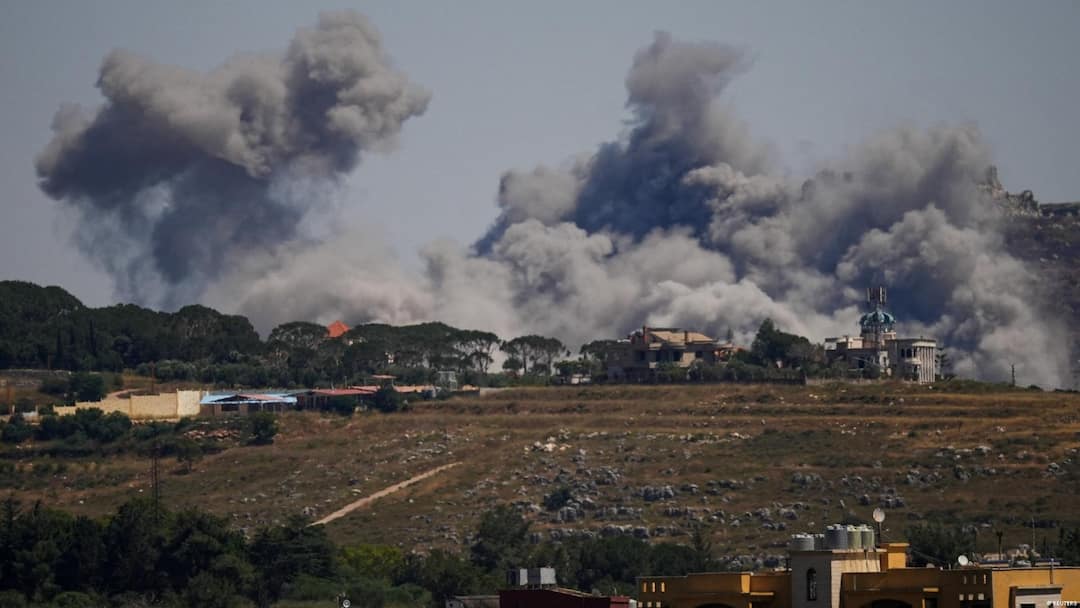
The central bank repeatedly flagged the ongoing conflict in West Asia, warning that elevated energy prices and disruptions to global supply chains are weighing on economic activity worldwide and complicating policymaking.
Inflation Forecast Raised To 5.1 Per Cent For FY27
The RBI significantly revised its inflation outlook higher.
Consumer Price Index (CPI) inflation for FY27 is now projected at 5.1 per cent, with inflation expected to peak at 5.9 per cent in the third quarter before easing slightly.
Read MORE : West Asia War, Oil And El Nino Risks Push RBI MPC To Raise FY27 Inflation Forecast To 5.1%
Quarterly Inflation Forecast
Q1 FY27: 4.2 per cent
Q2 FY27: 5.1 per cent
Q3 FY27: 5.9 per cent
Q4 FY27: 5.4 per cent
Crude Oil At $110 A Barrel Has Become A Major Concern
The RBI highlighted that the Indian basket of crude oil averaged around $110 per barrel during April and May 2026, substantially above assumptions used in the previous policy review.
Higher energy costs have already begun feeding into domestic prices and are expected to remain a major inflation risk.
Growth Forecast Cut To 6.6 Per Cent
While the Indian economy remains resilient, the RBI acknowledged that higher energy prices and supply disruptions are beginning to weigh on activity.
Real GDP growth for FY27 has been projected at 6.6 per cent. The central bank warned that prolonged supply-chain disruptions and volatility in global markets could further hurt growth.
Read MORE : RBI MPC June 2026: What RBI’s Latest GDP Outlook Reveals About India’s Economic Resilience
Quarterly Growth Forecast
Q1 FY27: 6.6 per cent
Q2 FY27: 6.3 per cent
Q3 FY27: 6.5 per cent
Q4 FY27: 6.8 per cent
Monsoon And El Niño Risks Enter Centre Stage
Beyond oil prices, the RBI identified weather as another major risk.
A forecast of a sub-normal south-west monsoon and the possibility of El Niño conditions could affect food production, rural demand and inflation in the coming months.
RBI Says Domestic Economy Remains Resilient
Despite the global turmoil, the central bank maintained that India’s domestic economy remains relatively strong.
Manufacturing and services activity continue to expand, private consumption remains healthy and investment activity has largely held up despite rising costs. High-frequency indicators have also remained broadly supportive.
Foreign Investors Get A Big Boost
One of the biggest policy announcements outside rates was a package aimed at attracting overseas capital.
The RBI expanded the list of government securities available under the Fully Accessible Route (FAR), eased FPI investment restrictions, increased investment limits for NRIs and OCIs, and announced incentives for foreign currency inflows.
RBI Signals Support For Exports And External Stability
The central bank announced several measures to strengthen India’s balance of payments.
These include restoring the time allowed for export proceeds realisation to nine months, incentivising FCNR(B) deposits and offering concessional forex swap facilities for certain overseas borrowings.
Read MORE : RBI MPC June 2026: India Offers Tax-Free G-Secs To Foreign Investors Amid Oil, Rupee And War Risks
RBI Stands Ready To Act On Currency Volatility
Governor Sanjay Malhotra reiterated that the RBI does not target any specific exchange rate level.
However, he emphasised that the central bank remains prepared to intervene against excessive volatility and disorderly market movements if required. The RBI said India’s foreign exchange reserves remain a strong buffer against external shocks.
The June policy review was less about interest rates and more about risk management.
The RBI’s message was clear: India remains relatively resilient, but rising oil prices, supply-chain disruptions, inflation pressures and weather-related uncertainties have made the outlook significantly more challenging than it was in April. As a result, policymakers have opted for caution while keeping a close watch on both inflation and growth risks.
BREAKING NOW: Indore fire tragedy as EV short circuit triggers deadly explosions
Doonited Affiliated: Syndicate News Hunt
This report has been published as part of an auto-generated syndicated wire feed. Except for the headline, the content has not been modified or edited by Doonited