- US Treasury Secretary warns tariffs may revert after investigations.
- Current 10% global tariffs expire on July 24.
- Officials are working to finalize the proposed trade agreement.
The United States could restore tariff rates to their earlier levels if ongoing investigations under Section 301 of the US Trade Representative (USTR) result in new trade measures, US Treasury Secretary Scott Bessent has said.
His remarks come as India and the United States continue negotiations on the proposed bilateral trade agreement (BTA), with New Delhi maintaining that any deal must provide Indian exporters with a competitive tariff advantage over rival economies.
Section 301 Findings Could Cause Higher Tariffs
Speaking on the US tariff framework, Bessent said the current 10 per cent global tariff imposed under Section 122 is only a temporary measure, reported News18.
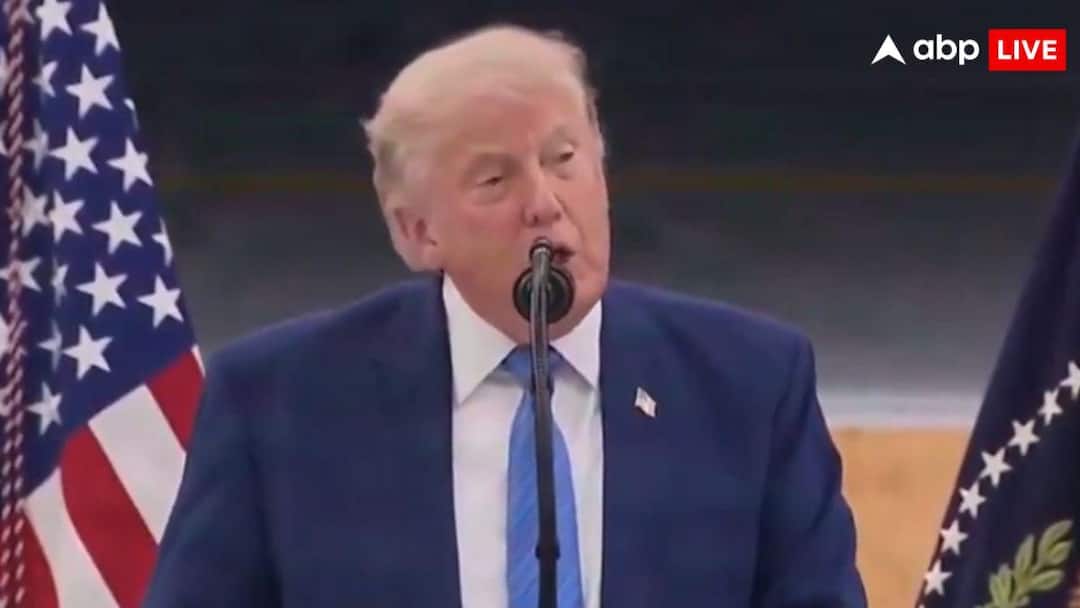
“Right now, we have something called Section 122 tariffs, which is a 10 per cent global tariff. Currently, USTR Ambassador Jamieson Greer is conducting studies for Section 301. And if those studies are successful… then the tariff rates are going to go back to exactly where they were,” Bessent said.
Under US law, tariffs imposed under Section 122 can remain in force for up to 150 days and are due to expire on July 24.
The USTR, in its interim findings, has proposed an additional 12.5 per cent tariff on imports from India and more than 50 other countries over their alleged failure to curb imports produced using forced labour. Separately, the outcome of another Section 301 investigation into structural excess capacity involving 15 countries, including India, is still awaited.
Bessent also said President Donald Trump had used reciprocal tariffs to encourage countries to negotiate trade agreements, adding that the Section 301 process was intended to achieve a similar objective.
Also Read: When An Indian Passport Isn’t Enough, How Does An Indian Prove They Are Indian?
India Wants Tariff Advantage
Meanwhile, Commerce and Industry Minister Piyush Goyal said India was close to concluding the first phase of the trade agreement with the US, but stressed that it could not be implemented unless India secured a tariff advantage over competing economies.
Speaking at the India Global Forum UK-India Week event in London, Goyal said the proposed agreement was originally negotiated on the basis that Indian exports would face lower tariffs than those of neighbouring and competing countries.
“We had negotiated that deal on bringing down 50 per cent tariff to 18 per cent. The whole deal was centred around the competitive advantage over our neighbours and other competing countries. We were lower than all our neighbouring countries, all the ASEAN countries, other than Singapore. That is why the deal was attractive,” Goyal said.
He added that India needed similar preferential treatment under the evolving US tariff framework before the agreement could take effect.
“We have to have some reason to be able to enter into force the agreement that we have and to ensure that we get a competitive advantage over countries in the same stage of development or same cost structures as India, whether it’s Vietnam, Thailand, the Philippines, Indonesia, Malaysia, China apart from Bangladesh, Sri Lanka and all our neighbours. Until that framework of getting that competitive advantage can be finalised, we can’t enter into force a US deal. That’s broadly the discussion,” the minister said.
Negotiations Continue Before July 24 Deadline
Goyal, who is on a three-day official visit to the UK, recently held two days of discussions with US Trade Representative Jamieson Greer in New Delhi on the first phase of the proposed BTA.
The commerce ministry has not indicated whether all outstanding issues have been resolved ahead of the July 24 expiry of the temporary 10 per cent US tariff regime.
According to Goyal, the framework of the agreement was finalised and announced on February 6, and officials from both countries have since been working on the finer details.
“There is always a little give and take,” he said, adding, “We are very close to the deal.”
Earlier this month, US Ambassador Sergio Gor had also indicated that negotiations were nearing completion, saying both sides were attempting to resolve the remaining issues before signing the agreement.
Goyal noted that the original framework was negotiated when India was expected to face an 18 per cent tariff while competing countries would attract tariffs ranging from 19 to 20 per cent, giving Indian exporters a relative advantage. However, with the current temporary 10 per cent tariff applying uniformly to all countries, India is seeking a revised framework that restores that competitive edge before the agreement comes into force.
Also Read : Why Are Crude Oil Prices Falling Today? Brent, WTI Drop Nearly 2%
BREAKING NOW: Indore fire tragedy as EV short circuit triggers deadly explosions
Doonited Affiliated: Syndicate News Hunt
This report has been published as part of an auto-generated syndicated wire feed. Except for the headline, the content has not been modified or edited by Doonited