- Iran proposes ending war, reopening Strait of Hormuz.
- US rejects proposal, demands upfront nuclear deal.
- Key disputes include nuclear, sanctions, and reparations.
US President Donald Trump appears unwilling to accept Iran’s proposal to end the war, according to sources, as the offer sidesteps core disputes over Tehran’s nuclear ambitions. The plan, which would reopen the Strait of Hormuz, leaves key issues unresolved for future negotiations. Washington is said to favour a more comprehensive agreement upfront, highlighting deep divisions between the two sides and raising fresh doubts over whether diplomacy can swiftly bring the conflict to an end.
Ceasefire Offer Hits Immediate Resistance
Washington has shown little appetite for Tehran’s proposal, which includes reopening the Strait of Hormuz but defers negotiations on Iran’s nuclear programme. The approach has raised concerns in the US, where officials insist that any deal must directly address nuclear activity rather than postpone it.
Iran’s Foreign Minister Abbas Araghchi had earlier handed Pakistan a set of “red lines” to relay to Washington, signalling Tehran’s firm negotiating position. These reportedly include limits on concessions over uranium enrichment and sanctions relief.
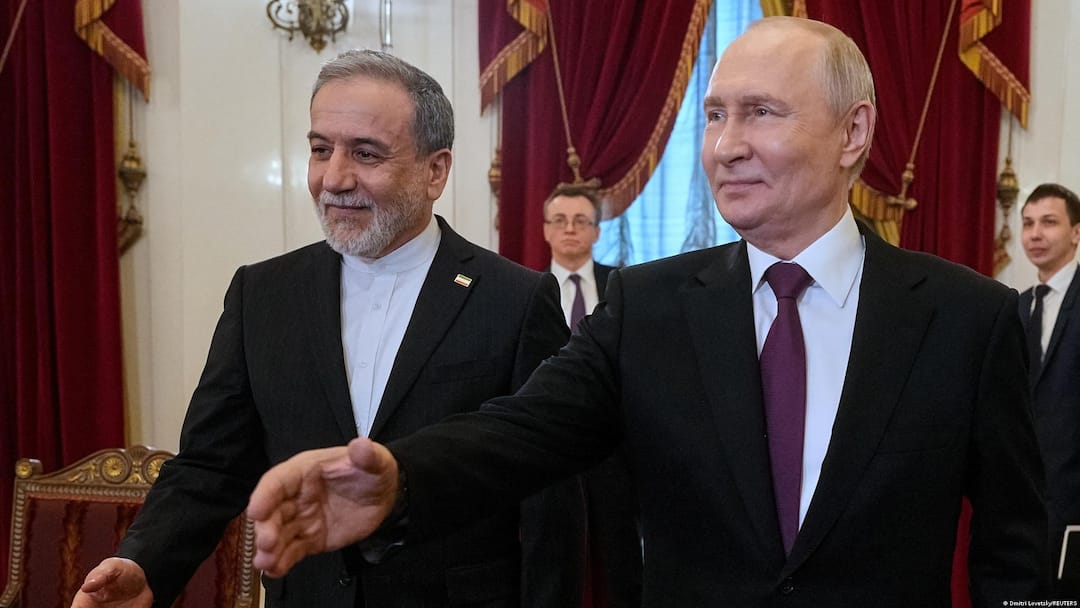
Diplomatic manoeuvring has intensified, with Russian President Vladimir Putin confirming he received a message from Iran’s newly appointed supreme leader. The leader has not been publicly seen since assuming office following his father’s death, adding an element of opacity to Tehran’s strategy.
Meanwhile, German Chancellor Friedrich Merz criticised the US stance, saying Washington risked being “humiliated” as it seeks to disengage from the conflict without securing a comprehensive agreement.
Also Read: 21 Indian Crew Safe After Panama-Flagged Ship Attacked In Hormuz Strait, Govt Confirms
Sticking points In The US-Iran talks
- Nuclear programme: The US wants a complete halt; Iran insists any limits must be temporary.
- Uranium stockpile: Washington seeks control of Iran’s 400kg of highly enriched uranium; Tehran rejects this outright.
- Strait of Hormuz: Iran demands shipping restrictions remain until US blockades are lifted; the US says sanctions stay until a deal.
- Frozen assets: Iran is pushing for $20bn in sanctions relief and access to frozen funds.
- War reparations: Tehran is seeking roughly $270bn in compensation for damage from US and Israeli strikes.
- Regional influence: The US wants Iran to scale back support for allies such as Hezbollah and Hamas, and limit its missile programme.
Global Pressure Mounts
The diplomatic deadlock reflects widening divisions over how to end the conflict. While Iran is pushing for phased negotiations and immediate economic relief, the US is prioritising firm guarantees on nuclear compliance before easing pressure.
European voices have grown more vocal, warning that a prolonged impasse could destabilise global energy markets, particularly if tensions around the Strait of Hormuz escalate again.
Also Read: Russia To Deliver New S-400 Air Defence Systems To India, Likely To Be Deployed By May
Mumbai Shock: Security Guard Stabbing Case Linked to Radicalisation Suspicions
Doonited Affiliated: Syndicate News Hunt
This report has been published as part of an auto-generated syndicated wire feed. Except for the headline, the content has not been modified or edited by Doonited