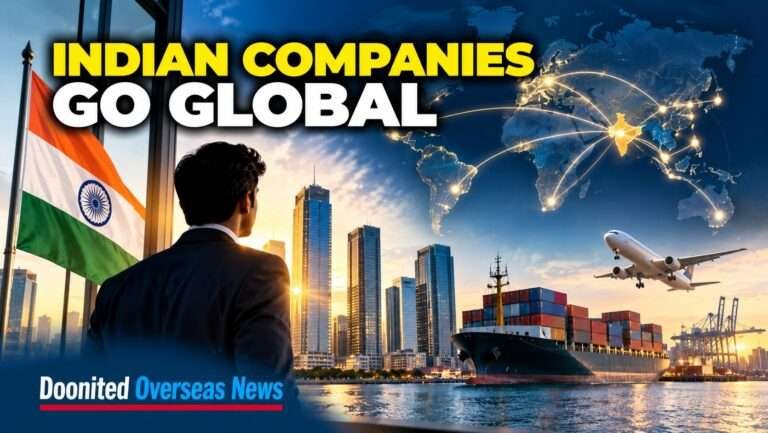

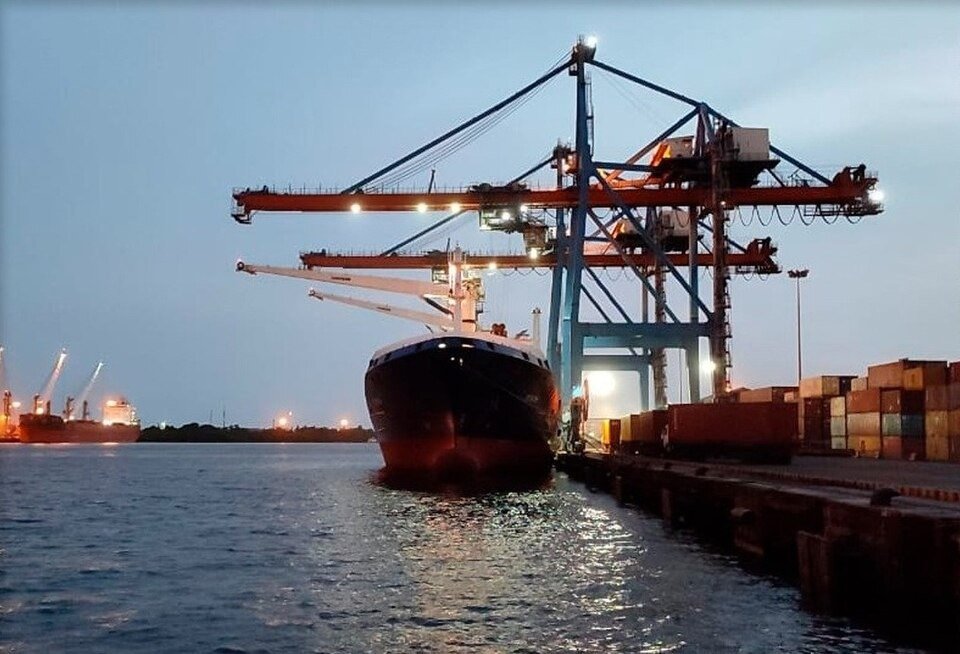
Beyond India’s Borders: How Global Tenders Can Open New Markets for Indian Businesses
For a small Indian manufacturer, service provider or exporter, entering an overseas market can appear to require enormous resources: finding buyers, understanding foreign procurement systems, establishing credibility and competing with companies already familiar with the market.
But there is another route to international business that is often less visible to the general public: global public and private tenders.
The Indian Trade Portal’s Global Tender Service is designed around this opportunity. According to the portal, its service brings international tender opportunities to Indian exporters across more than 100 countries and 25 business sectors. The platform also maintains past tenders, allowing businesses to examine previous opportunities and understand markets.
The idea is straightforward: instead of waiting for an overseas buyer to discover an Indian company, an Indian business can actively look for procurement opportunities in international markets.
A different way to think about exports
Export growth is often associated with large corporations, established brands and major manufacturing groups.
Global tenders present a different possibility.
The Indian Trade Portal specifically identifies MSMEs, Indian manufacturers and service companies among the businesses that can benefit from its Global Tender Service. The objective is to help such businesses diversify markets and compete for contracts beyond their traditional customer base.
That matters because internationalisation does not necessarily have to begin with opening an overseas office.
For some businesses, it can begin with finding one suitable procurement requirement and determining whether they have the capability to fulfil it.
A successful tender can potentially become more than a single contract. It can provide international experience, references, knowledge of foreign procurement standards and a better understanding of how an overseas market operates.
Why the opportunity is not as simple as finding a tender
There is an important reality that businesses should not overlook.
A tender appearing on a platform does not automatically mean it is a good business opportunity.
The Indian Trade Portal itself warns companies to conduct due diligence before participating in global tenders. Its advisory recommends independently verifying the authenticity of the tender and issuing authority, requesting supporting documents and credentials, consulting Indian Missions abroad or reputable agencies when necessary, and carefully examining contractual terms before committing money or resources.
This warning is particularly important for smaller businesses.
International procurement can involve unfamiliar legal requirements, documentation, payment arrangements, technical specifications, delivery obligations and contractual risks.
The attraction of a large overseas contract should therefore never replace basic commercial discipline.
Technology is changing how exporters search
One of the interesting developments in international trade is the increasing importance of organised information.
The Indian Trade Portal says its tender service allows opportunities to be filtered by keyword, industry sector, region and deadline. It also says the service consolidates opportunities from government agencies, private enterprises and public procurement portals across numerous countries.
For an exporter, this can change the process from a broad search into a targeted one.
A manufacturer of a particular product does not necessarily need to examine every opportunity. It can concentrate on the sectors, countries and requirements that match its capabilities.
That saves time—but more importantly, it can make international market research more systematic.
The bigger opportunity for Indian MSMEs
India’s large MSME ecosystem is often discussed in terms of domestic employment and production.
Its international potential deserves equal attention.
A company that learns to meet international procurement standards can potentially become part of a wider global supply chain. The portal’s own description highlights global tenders as a means for Indian businesses to diversify markets and increase international visibility.
This is particularly relevant when companies are trying to reduce dependence on a single market.
Diversification does not eliminate commercial risk. But it can prevent a business from becoming excessively dependent on one customer, geography or domestic demand cycle.
What Indian businesses should learn
The most useful lesson is that an international opportunity should be approached as a business decision, not simply as exciting news about a foreign contract.
Before responding, an exporter should ask basic questions:
Can we actually supply what is required?
Do we meet the technical qualifications?
Can we deliver within the specified time?
Have we understood payment and contractual conditions?
Who is the issuing authority?
Is the opportunity independently verifiable?
And, crucially, will the economics still make sense after logistics, compliance, finance and other costs?
These questions may sound ordinary, but they can determine whether an overseas opportunity becomes a genuine business opportunity or an expensive mistake.
DOONITED Editorial Perspective
The most interesting aspect of global tenders is not the number of countries or contracts available.
It is the possibility of changing how Indian businesses think about the world.
An Indian MSME does not have to remain limited to the market immediately around it. But going global requires more than ambition. It requires information, credibility, financial discipline and the ability to assess opportunities without being carried away by the size of a foreign contract.
The Indian Trade Portal’s global tender initiative points towards that larger possibility.
For Indian exporters, the next international customer may not be waiting to discover them. The opportunity may already exist in a procurement system—and the real competitive advantage could be knowing how to find it, verify it and compete intelligently.

World Beyond the News
Why Elephants Stay Close to Their Herd
Elephants live in highly social family groups and use calls, touch and body movements to maintain strong bonds.
Most of the Deep Ocean Remains Difficult to Explore
Extreme pressure, darkness and distance make deep-ocean exploration one of Earth’s greatest scientific challenges.
Spacecraft Can Travel Without Traditional Roads
Spacecraft use carefully calculated trajectories and gravity assists to travel enormous distances through space.
Why Movie Trailers Are Released in Stages
Major films often use teaser trailers, full trailers and final promotional spots to build awareness over time.