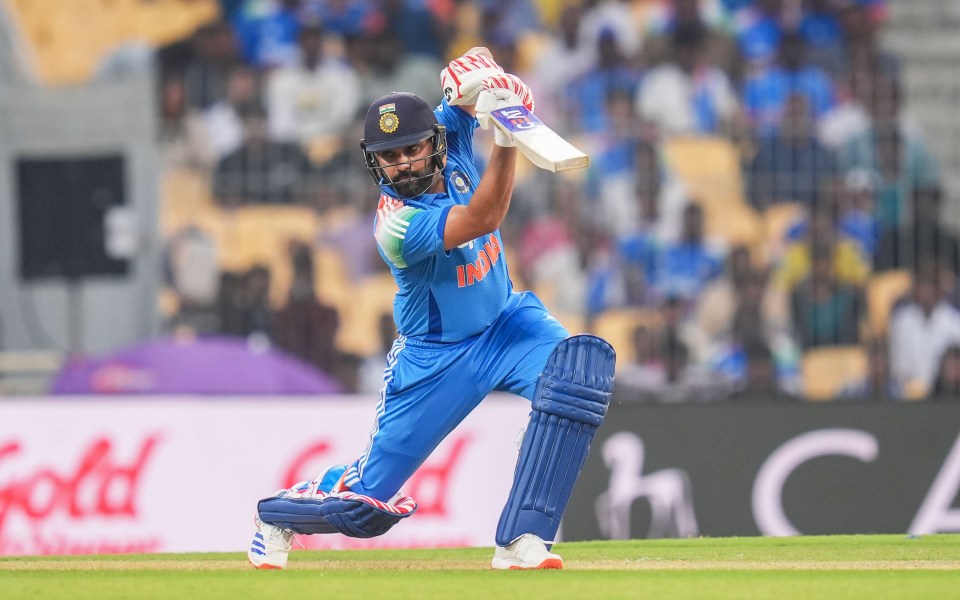
-(1).jpeg "World Cup 2027 format change sparks fierce backlash from players")
The World Cricketers’ Association raised serious objections to the ICC’s revised format for the 2027 Men’s ODI World Cup on Friday at its Annual Conference in Edinburgh, noting that the sudden restructuring poses significant questions about transparency, stakeholder input, and the sport’s global development.
The 14-team tournament, to be held across South Africa, Zimbabwe and Namibia, keeps the same number of teams but introduces a three-stage framework consisting of a preliminary Super Series for the three lowest-ranked sides, followed by a group phase, a Super 7 stage, and knockouts. The WCA stressed that this change fundamentally reduces the prospects originally promised to rising cricket nations that had structured their qualification routes and investment plans around the prior two-groups-of-seven model.
“To spend years working towards a clearly understood pathway, only to see that materially change within a cycle, has real consequences. Realising those opportunities requires greater transparency, modern leadership and meaningful collaboration and engagement between all stakeholders, including with the people who make cricket what it is. We continue to urge the ICC and its members to do so,” WCA CEO Tom Moffat said as quoted by BBC.
What are associate captains saying about the change?
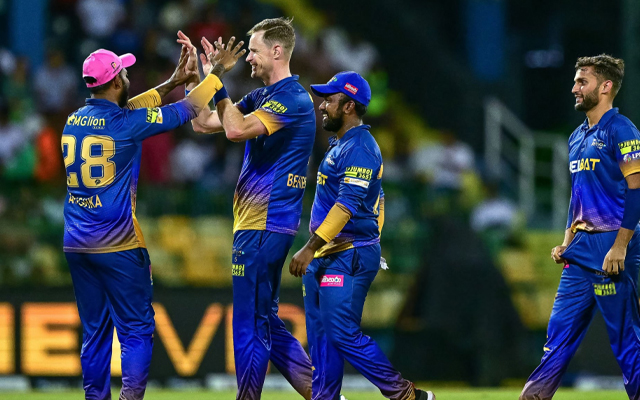
The absence of advance communication from the ICC surfaced as a central worry, with Scotland captain Richie Berrington demanding structural shifts in the decision-making process and insisting that player input be valued
“Players don’t expect to make every decision, but we should be meaningfully consulted on decisions that have significant impacts on the game and on players’ careers. Better decisions are made when different perspectives are brought to the table, and we’re urging the game to start doing that properly,” Berrington said.
Netherlands captain Scott Edwards echoed similar concerns, saying that qualifying for an ODI World Cup represents a massive milestone for any nation, so when that opportunity shifts after years of groundwork, it proves deeply disappointing. The ICC’s rhetoric about expanding the sport clashes with decisions that make it tougher for associate sides to face top-ranked teams, Edwards added.
What happens next for the tournament?
The tournament runs from October 4 to November 21, 2027 across South Africa, Zimbabwe and Namibia, marking the first World Cup in Africa since 2003. Only the Super Series winner progresses to the main group phase. The ICC’s push to enhance competitiveness has opened a wider debate about how major tournaments should balance fairness with structure.
Get every cricket updates! Follow Us:
Doonited Affiliated: Syndicate News Hunt
This report has been published as part of an auto-generated syndicated wire feed. Except for the headline, the content has not been modified or edited by Doonited

.jpeg "Craig Overton reflects on after Somerset’s miraculous win | CricTracker")
.jpeg "Reports: Ravindra Jadeja out of India’s 2027 ODI World Cup plans; Axar Patel set to take over as lead all-rounder")
-(1).jpeg "Rohit Sharma has nothing to prove in ODIs, says childhood coach Dinesh Lad")
-(1).jpeg "Leicestershire secure the signing of Warwickshire batter Hamza Shaikh | CricTracker")
-(1).jpeg "Nehal Wadhera changes domestic team before 2026-27 season")
.jpeg "KL Rahul missing from India’s playing XI in second ODI versus England: Reasons Explained")
-(1).jpeg "Gurnoor Brar handed warning after ball-throwing incident at Edgbaston")
![[WATCH] Kieron Pollard hurls ball at Steve Smith after getting frustrated during MLC 2026 Eliminator](https://media.crictracker.com/media/attachments/1784188318537_FotoJet-(68)-(1).jpeg "[WATCH] Kieron Pollard hurls ball at Steve Smith after getting frustrated during MLC 2026 Eliminator")

.jpeg "England players surge in ICC rankings across formats")

.jpeg "Mohammad Kaif rates coach Gambhir lowly due to lack of transparency")
.jpeg "Sneh Rana on India’s historic first women’s Test victory at Lord’s")