
India at the Asian Games 2026: The Midway Test of Medals, Momentum and Sporting Depth
India’s campaign at the 2026 Asian Games has reached its midway stretch with a mix of established strengths, emerging achievements and a familiar question: can a country that is increasingly competitive in selected sports build the depth required to challenge across the full spectrum of Asian competition?
At Aichi-Nagoya, Japan, the early returns have offered reasons for optimism. Women’s cricket delivered a gold medal, shooting has supplied a substantial share of the tally, and India’s endurance athletes have produced a result with historical significance. The schedule for Saturday, September 26, brings another major test, with both Indian kabaddi teams set to face Iran in their respective finals.
But a medal count is only the visible part of a much larger sporting story. Behind every podium finish sit years of coaching, selection decisions, access to facilities, competition exposure and the ability to perform under pressure. The midpoint of a multi-sport event is therefore a useful moment not simply to count medals, but to examine what they reveal—and what they do not.
A promising tally, with important context
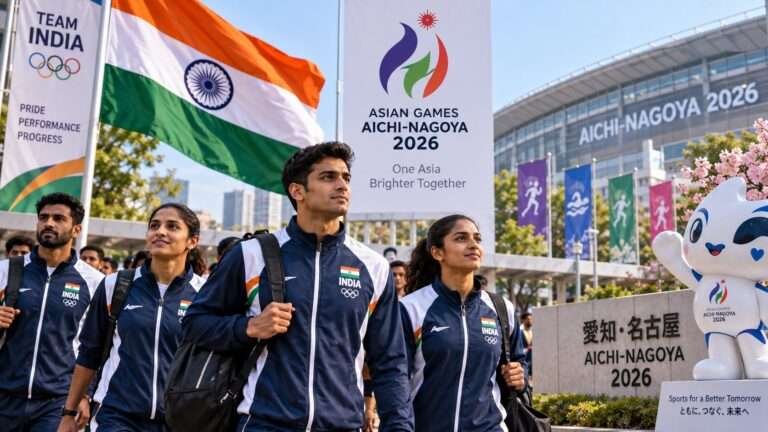
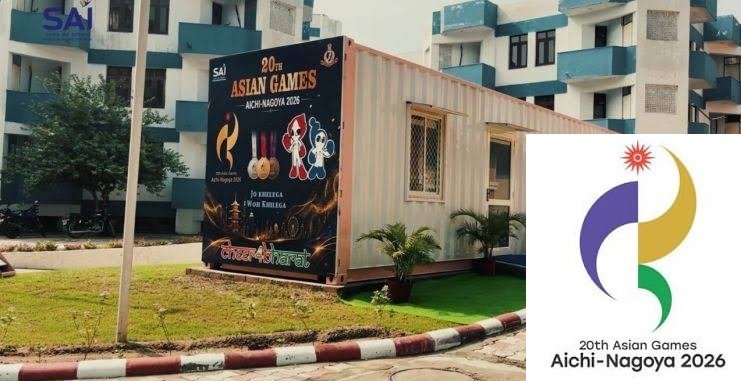
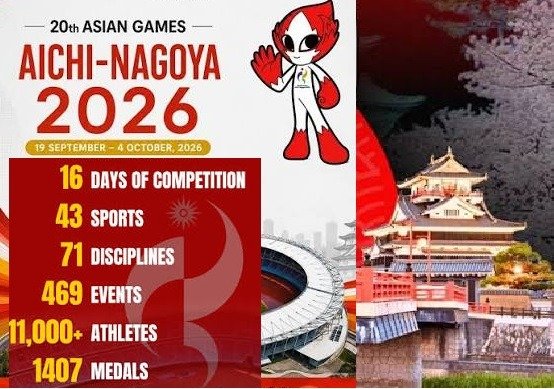
The 20th Asian Games began on September 19 and run until October 4, bringing athletes from across Asia to venues in the Aichi-Nagoya region and beyond. India’s contingent comprises 492 athletes, with athletics representing its largest discipline group.
The number needs to be read in context. A medal table changes throughout the day, and total medals alone do not capture the relative size of each country’s team, the number of events entered or the competitive depth of each sport. Nor does a position in the standings, at this stage, settle how a country’s campaign will finish.
India’s target is shaped partly by its previous Asian Games performance. At Hangzhou 2022—held in 2023 after a pandemic-related postponement—India won a record 107 medals, including 28 gold, and finished fourth. That achievement raised expectations, but it also set a demanding benchmark for a contingent competing across a broad programme.

Cricket: A gold that reflects a maturing structure
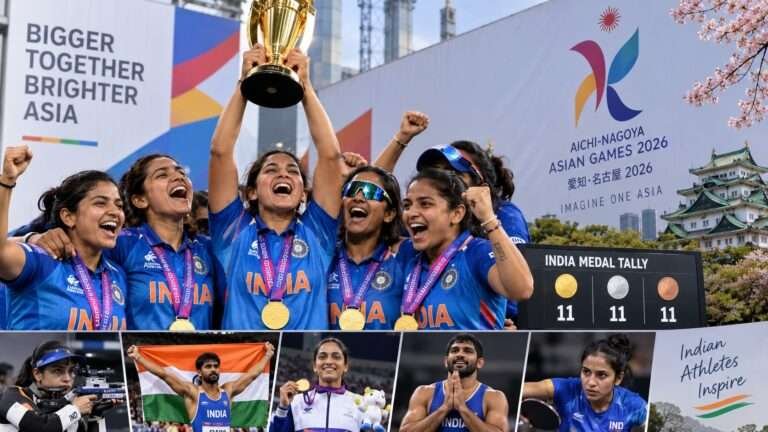
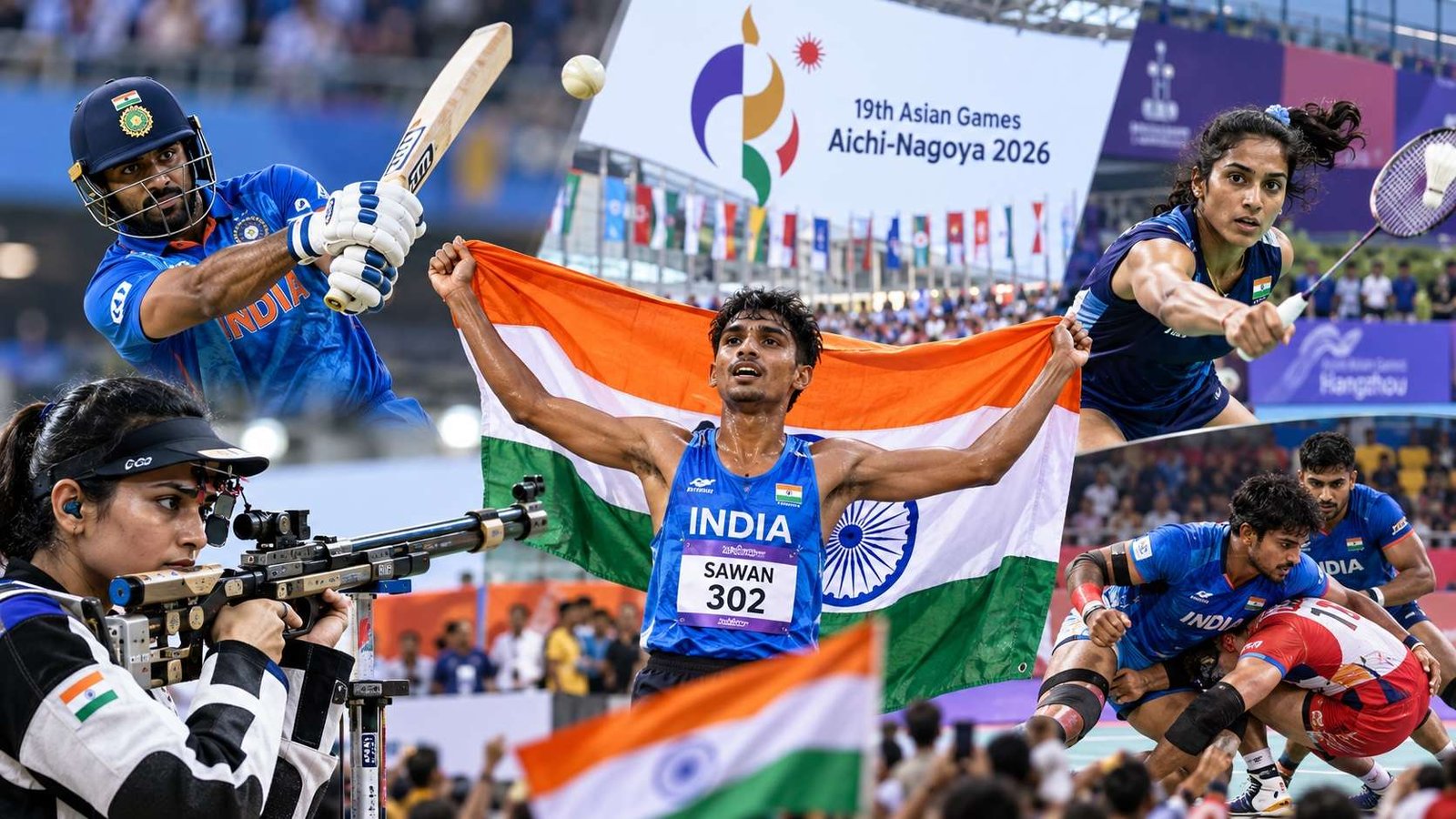
India’s women’s cricket team supplied one of the campaign’s early defining moments, winning gold in the women’s T20 final against Sri Lanka. India scored 216 for three before bowling Sri Lanka out for 69, winning by 147 runs. Smriti Mandhana’s 79 and Shafali Verma’s 48 helped establish the commanding total.
Mandhana’s milestone of 11,000 international runs, reached during the final, also illustrated the individual excellence underpinning the team result. Yet the broader lesson is institutional: sustained success is easier to build when talent has regular access to high-level competition and a credible professional future.
The challenge is to extend that depth beyond a relatively small group of established stars. A strong system should keep producing players capable of stepping into major tournaments—not merely celebrate the same names when they deliver.
Shooting: Precision brings medals, but depth matters
Shooting has been another important contributor. India’s early medals included silver performances in the 10m air rifle events, while the mixed 10m air pistol team of Suruchi Singh and Kamaljeet Singh won gold. The shooters’ contribution demonstrates how specialised preparation and repeatable performance can translate into medals across individual and team formats.
For India, the important measure is not just how many medals arrive from a traditionally strong sport. It is whether the pipeline continues to widen: more athletes reaching finals, greater consistency across events and the ability to sustain performance across a long competition calendar.
Sawan Barwal’s marathon: A breakthrough measured in decades
One of the most meaningful stories of September 26 came from the men’s marathon. Sawan Barwal won silver in 2:11:37, setting a personal best and a national record. The result ended India’s 44-year wait for a podium finish in the Asian Games men’s marathon.
Barwal’s achievement matters because it expands the range of events in which India can realistically compete for honours. It also draws attention to the support endurance athletes need—scientific coaching, sports medicine, nutrition, altitude or environmental preparation where appropriate, and a domestic competition structure that helps athletes progress over time.
A single medal cannot prove that every part of that system is now in place. It can, however, demonstrate what becomes possible when an athlete reaches the start line prepared to compete at the highest level.
Kabaddi: A familiar strength faces a serious test
Kabaddi remains one of India’s signature sports, combining tactical discipline, explosive athleticism and split-second teamwork. On September 26, both the Indian men’s and women’s teams were scheduled to meet Iran in their respective finals.
India’s history in the sport brings expectations, but history does not score points. The final whistle does. Until results are confirmed, the responsible description is that both teams had gold-medal opportunities—not that the medals were already secured.
That distinction may sound small, but it is the difference between sports journalism and premature celebration.
Funding and performance: A connection, not a shortcut
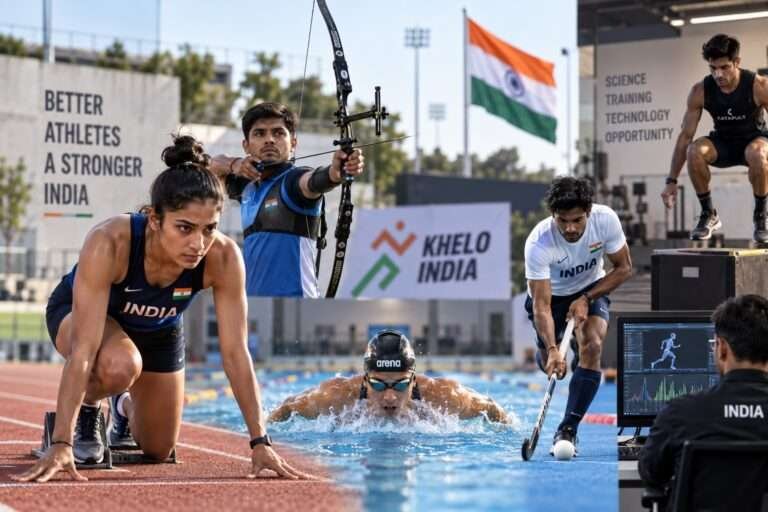
India’s sporting progress is often discussed through the lens of targeted funding and government support. Public investment, athlete assistance, coaching infrastructure and competition exposure can all influence performance. Yet a medal tally by itself cannot establish how much of a result was caused by a particular funding programme.
To assess that properly, the evidence would need to connect spending and support to outcomes: which athletes received assistance, what services were delivered, how training conditions changed, and whether performance improved over time. The same analysis should consider selection quality, coaching, athlete health, access to competition and the strength of the opposition.
Funding is an input. Medals are an outcome. Between them lies the difficult work of building a functioning sporting system.
That is why the most useful question is not simply whether India spent more, but whether support reached athletes in ways that improved preparation and performance—and whether those benefits can be sustained after the Games.
The real test is the breadth of the team
The Asian Games are demanding precisely because they are not one championship. They are dozens of sporting worlds running simultaneously, each with different equipment, training cycles, qualification pathways and competitive cultures.
India’s early results show strength in several areas. They also underline the challenge of maintaining depth across a large contingent. Established medal prospects can deliver, while less familiar disciplines may produce breakthroughs—or expose gaps in preparation and support.
The schedule still has substantial competition ahead. Athletics, racquet sports, combat sports, team events and other disciplines will continue to shape the final picture. A midpoint assessment should therefore remain provisional. The campaign is not a finished report card; it is a snapshot from a competition still in progress.
For overseas Indian audiences, the Games also offer a useful reminder that national sporting identity is built in many places: in professional leagues, regional training centres, school grounds, specialist academies and the long, often untelevised seasons before an athlete reaches an international arena.
DOONITED View
India’s campaign at Aichi-Nagoya is best understood as a combination of visible success and unfinished work. The women’s cricket gold, shooting medals and Barwal’s historic marathon silver offer tangible evidence of achievement. The kabaddi finals provide another opportunity, while the remaining schedule will test the contingent’s breadth.
The intelligent measure of progress is not a single medal target in isolation. It is whether India can turn individual triumphs into repeatable performance: deeper talent pools, reliable athlete support, stronger coaching pathways and competitive opportunities across more disciplines.
A medal is a moment. A sporting system is what makes the next moment possible.
And while the medal table may be the first thing fans check, the more revealing question is what happens after the podium photographs are taken.
Learning Point
Medal success is strongest when it reflects a system, not just a standout performance. Funding, coaching, competition exposure and athlete welfare matter most when they consistently help more competitors reach their potential. India’s Asian Games campaign will be judged not only by its final tally, but also by the depth and durability of the progress behind it.


World Beyond the News
Octopuses Can Change Their Appearance
Octopuses can rapidly alter their skin colour and texture to communicate, camouflage themselves and respond to danger.
Some Cities Exist Across Two Continents
A small number of cities are geographically associated with two continents, creating unusual cultural and geographic identities.
Earth’s Climate Is Measured in Many Ways
Scientists track temperature, atmospheric gases, sea level, ice cover and other indicators rather than relying on a single climate number.
Streaming Changed How Audiences Discover Shows
Recommendation systems and global streaming releases allow audiences to discover programmes far beyond their original markets.